
1950s Ranch Exterior Transformation
Classical Porch Design & Primary Suite Addition
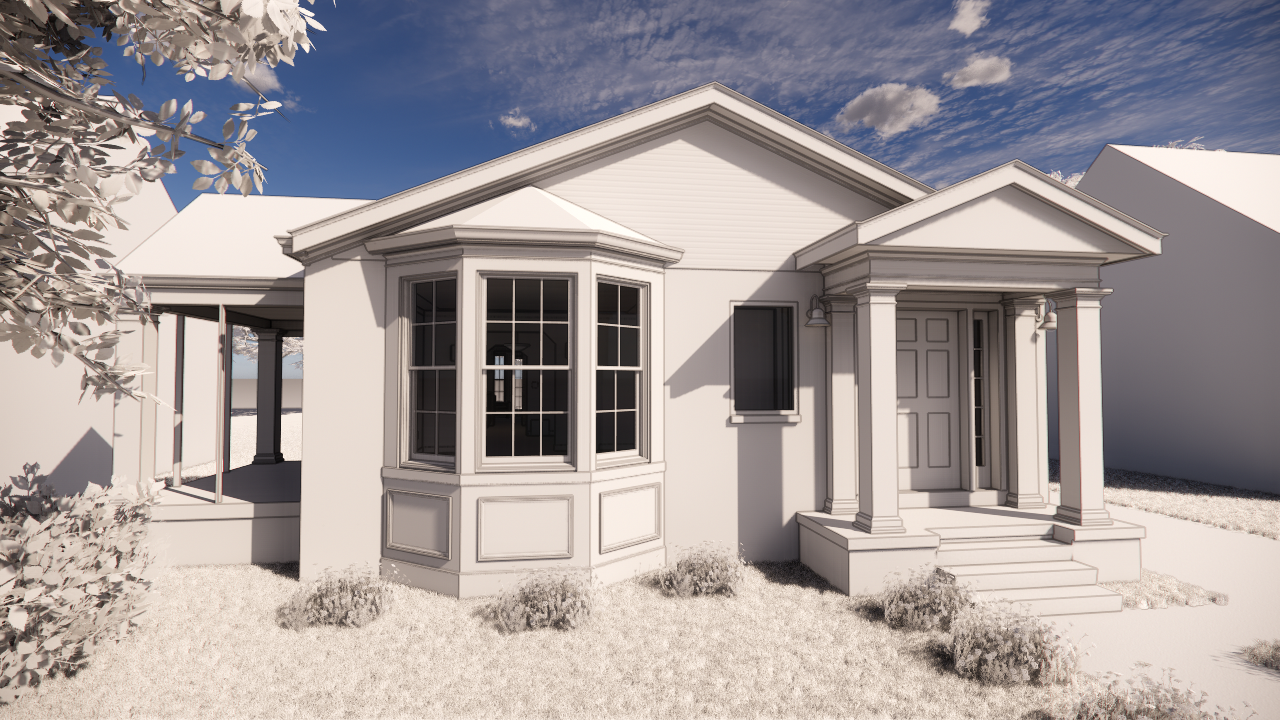
Helping a Tired 1950s Ranch Become the Home It Was Always Meant to Be
Many 1950s ranch homeowners feel stuck.
They know their house has potential.
They may even love the interior character.
But the exterior feels bland, unresolved, and impossible to fix without “ruining” the house.
This project exists to show that you are not stuck—you are simply under-guided.
The Problem: When a Ranch Has No Architectural Direction
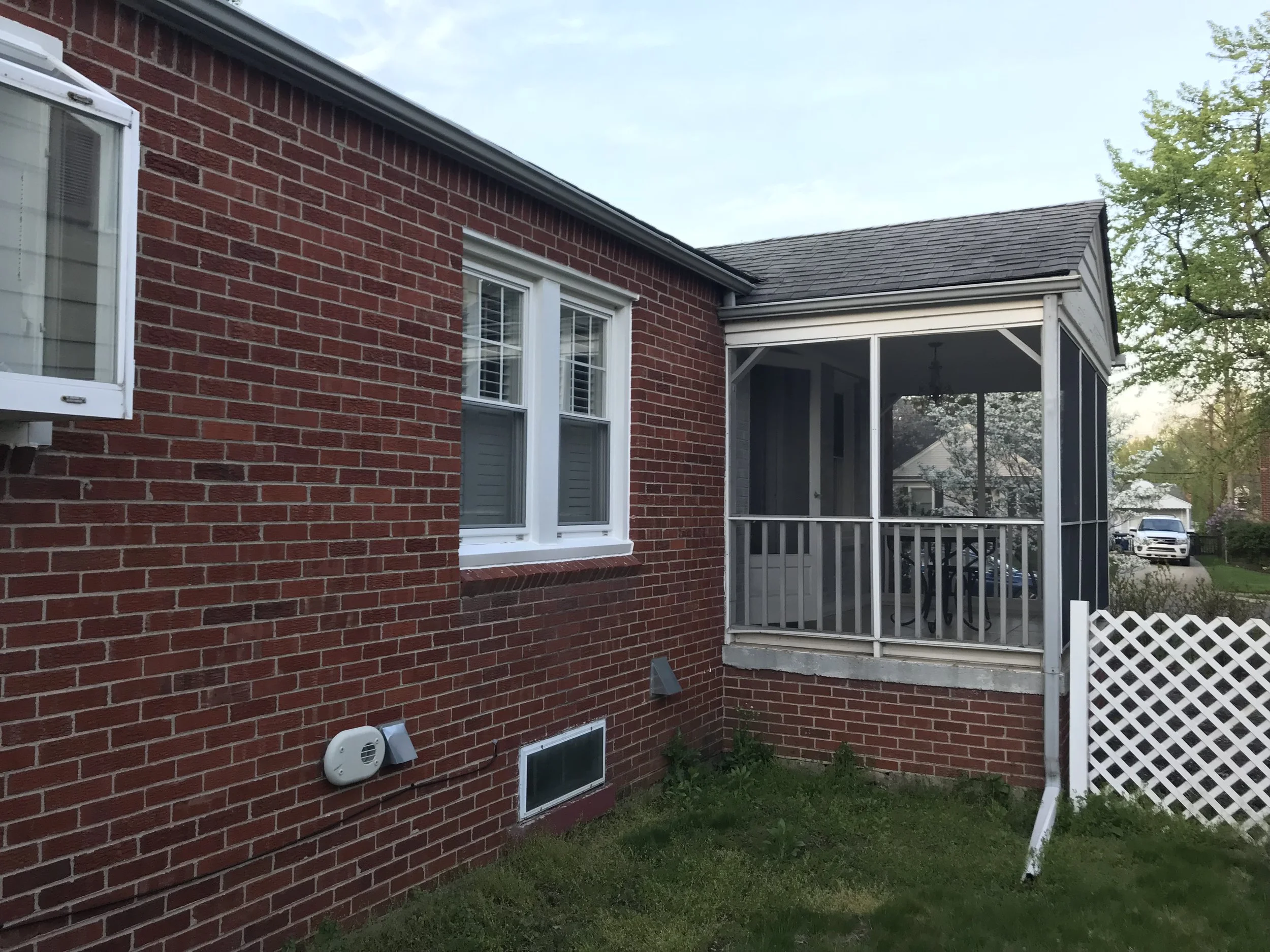
When I was brought into this project, the house suffered from a familiar but serious condition: architectural drift.
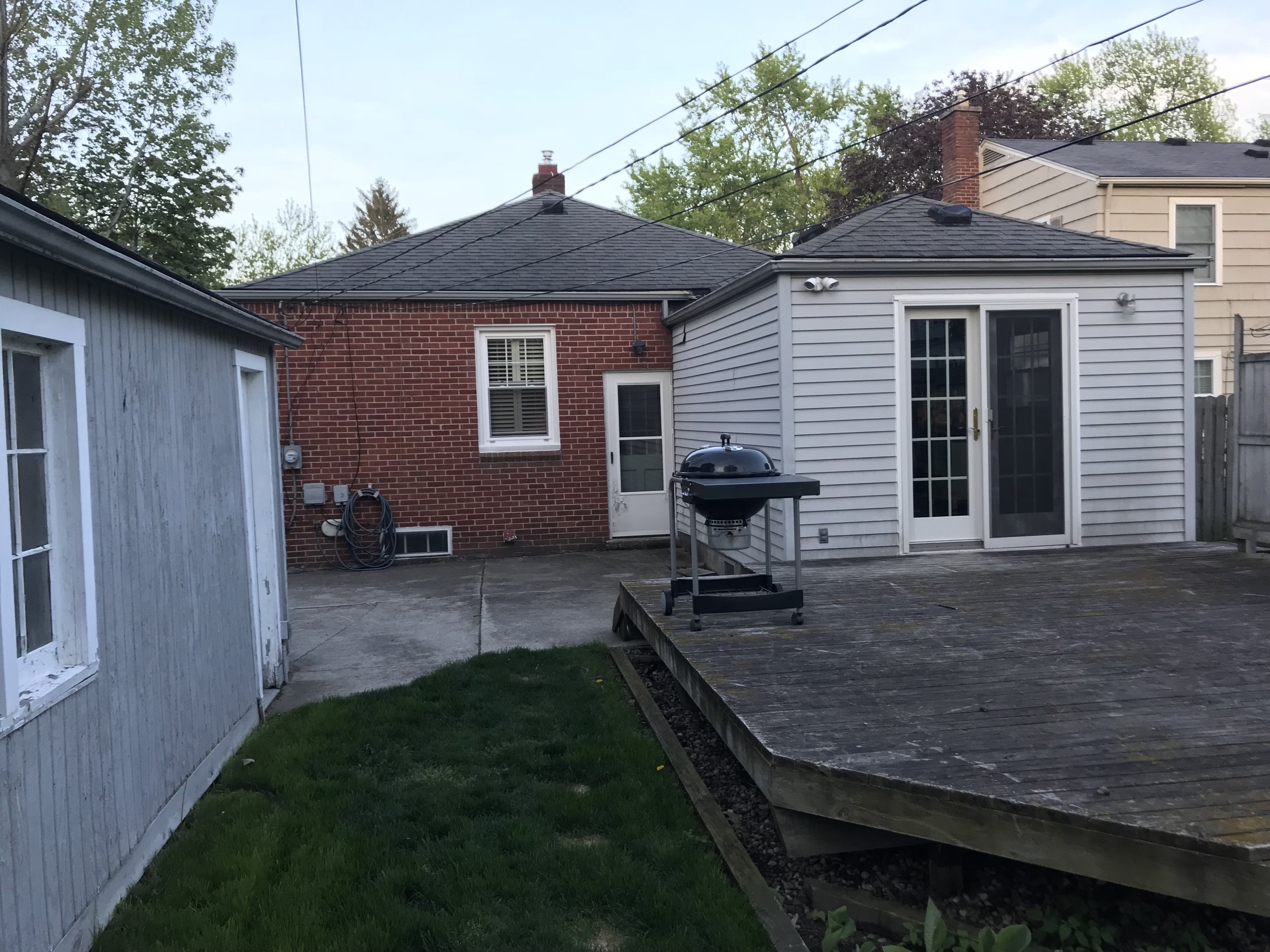
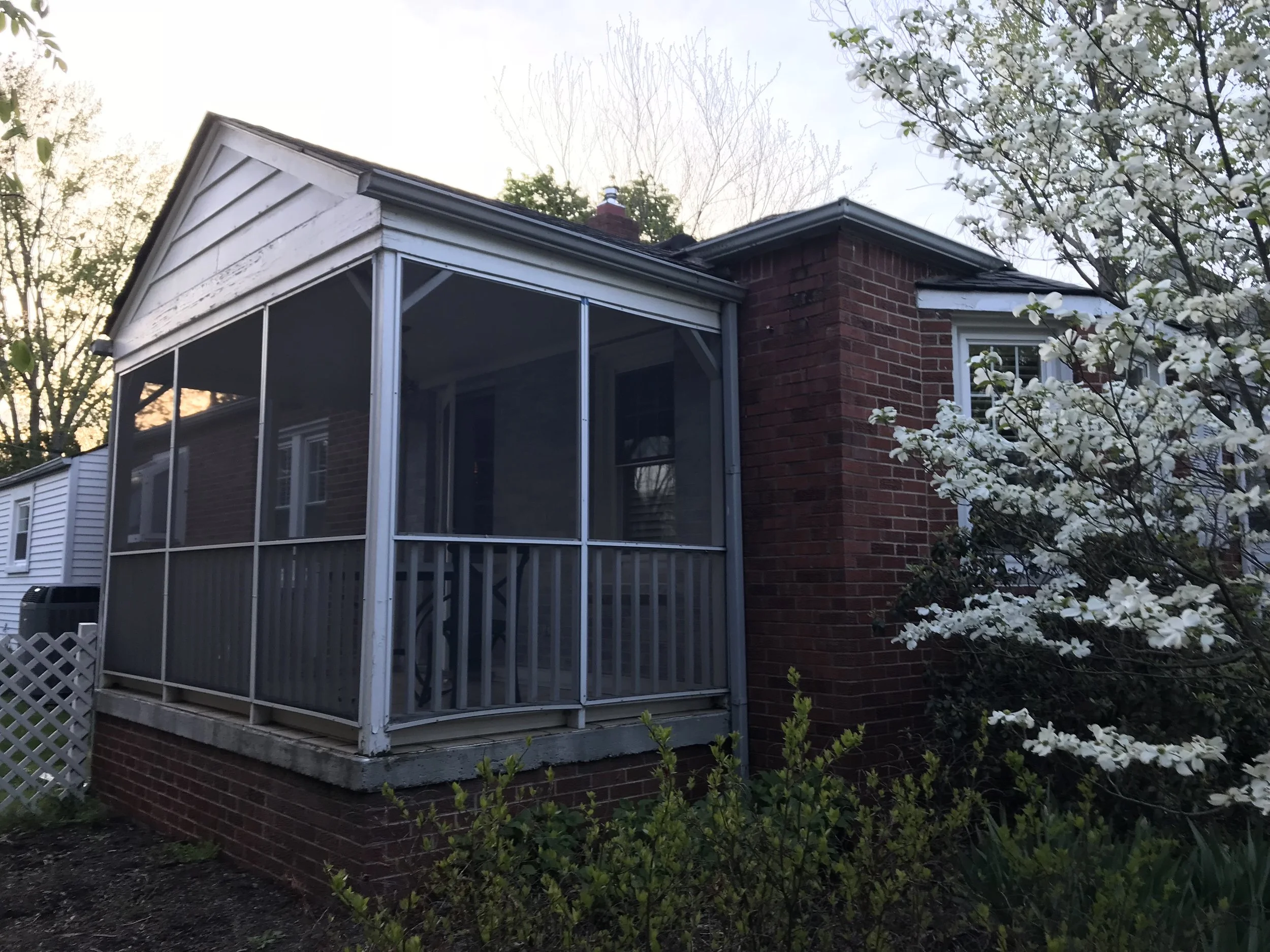
Over time, a series of small decisions had compounded into a major problem:
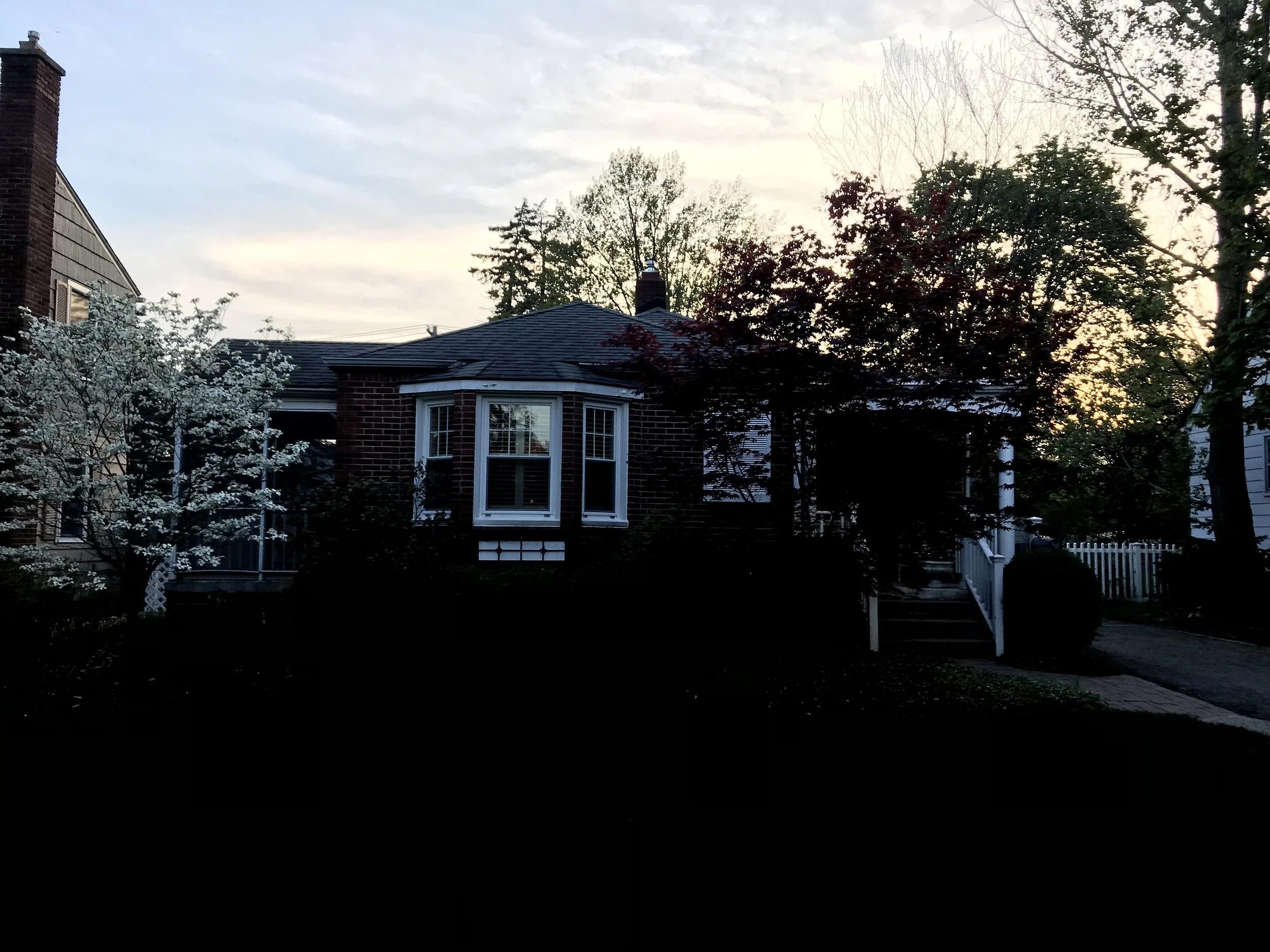
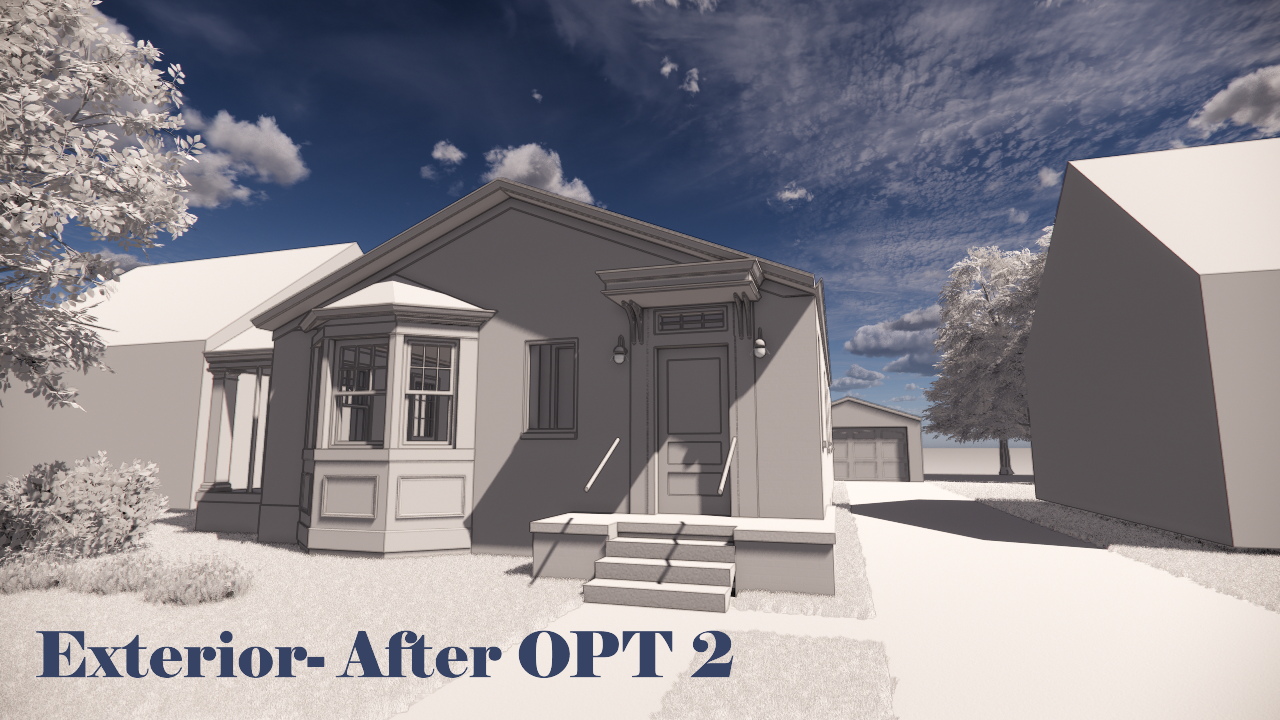
A weak front elevation with no defined entry
An extremely low roofline that flattened the home’s presence
Disproportionate windows, including an awkward brick bay
No eaves or overhangs to give the façade depth
A front door turned to the side, offering no sense of arrival
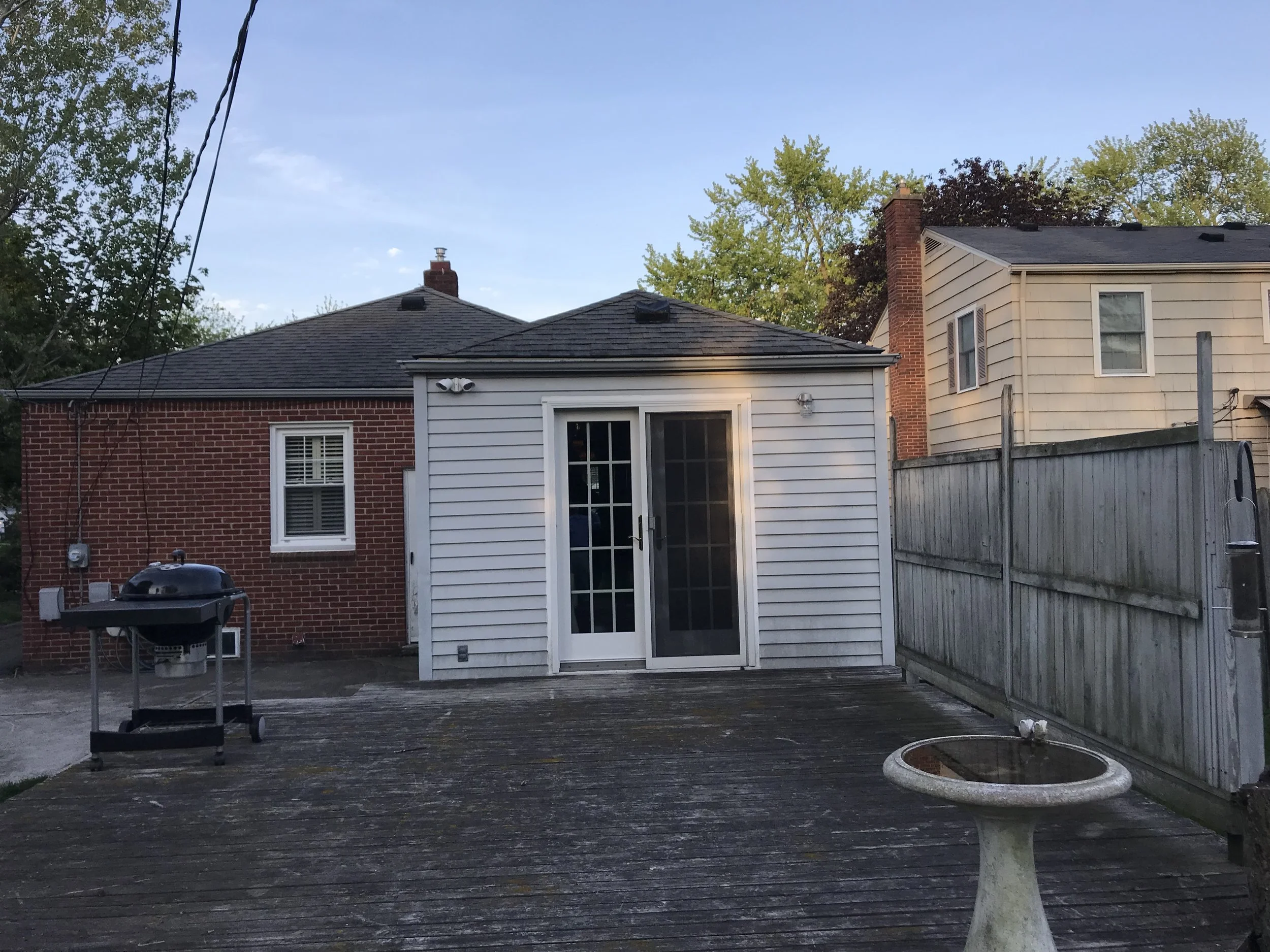
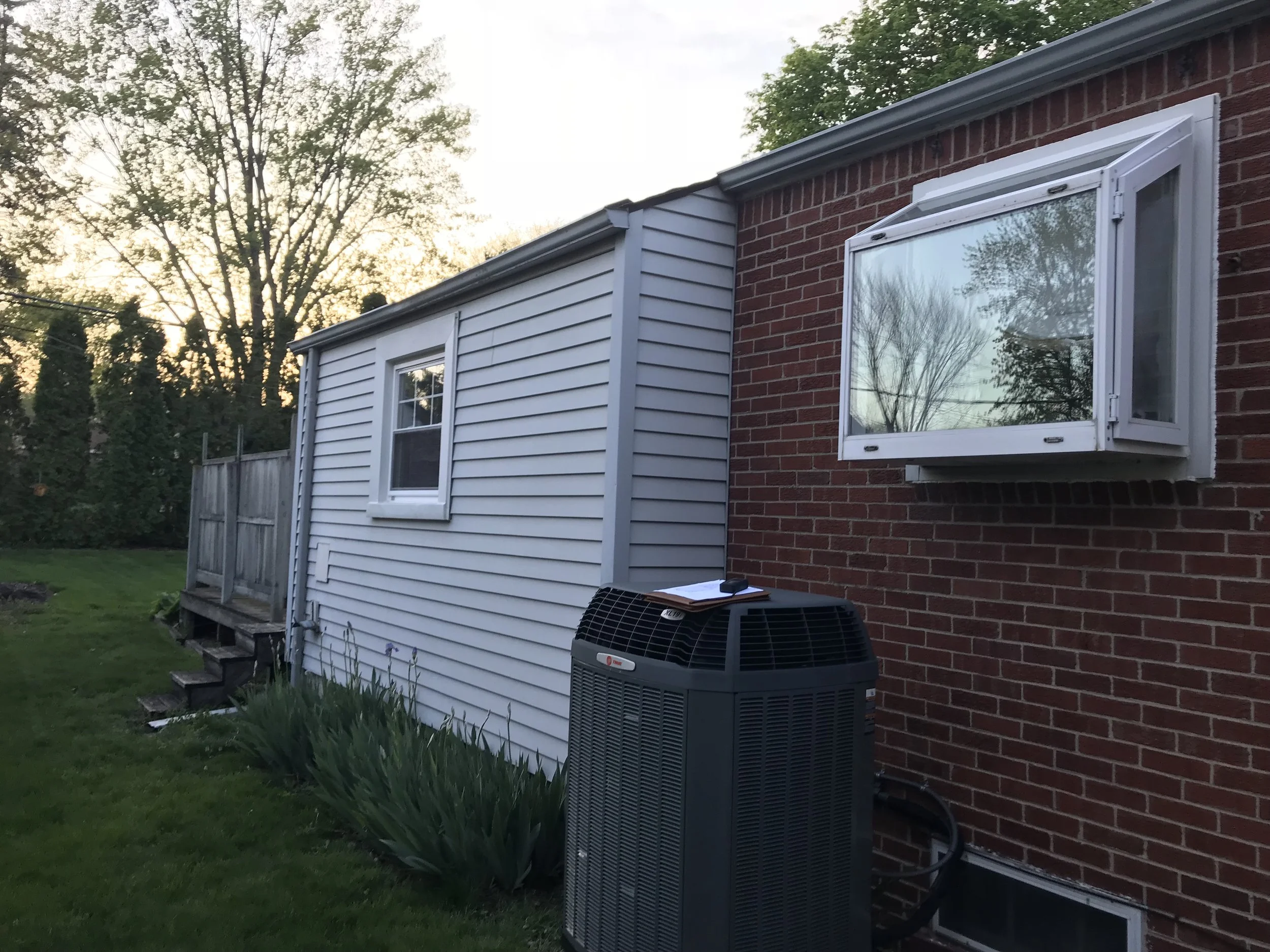
A vinyl rear addition jammed onto the house with no proportional logic
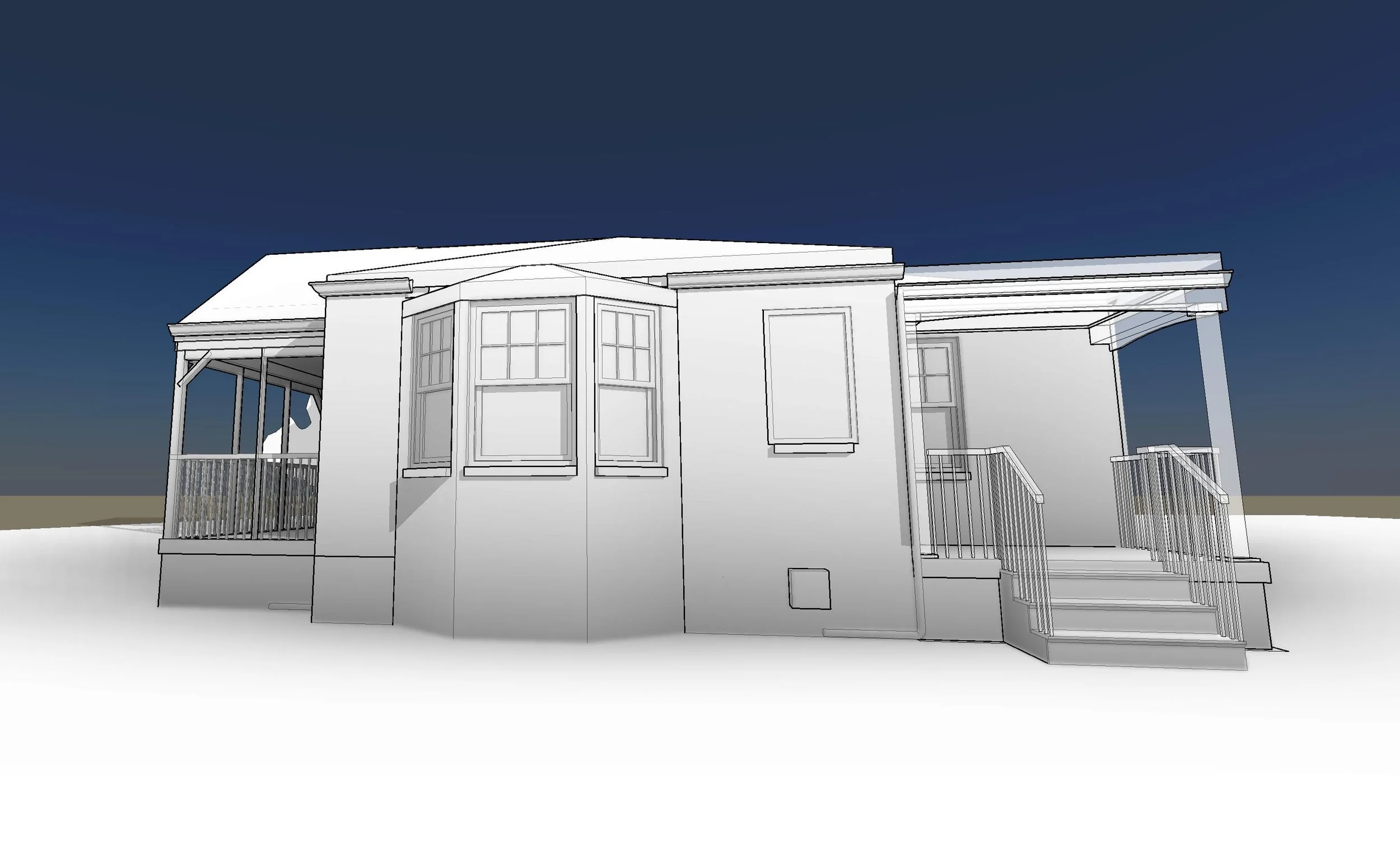
The Original Front Elevation
Individually, these might seem manageable.
Together, they stripped the home of identity.
The house wasn’t ugly; it was undecided.
The External Problem Was Obvious
The Internal One Was Worse
The homeowners loved their home’s interior detailing and historical feel, but felt discouraged every time they pulled into the driveway.
They believed:
A dramatic entry was impossible
The interior and exterior could never align
Any attempt to “fix” the outside would feel fake or overdone
They had already hired an architect before—but the design failed to give them confidence or clarity.
They didn’t need more ideas.
They needed direction.
A Different Approach: Start with Architectural Clarity
The solution was not a style change.
It was a hierarchy problem.
From the beginning, the architectural objective was clear:
Establish a strong center and sense of order
Restore proportion without unnecessary square footage
Preserve the existing brick façade
Resolve the front and rear elevations into one coherent composition
Design for longevity—not trends
Once those rules were established, every decision became easier.
Why Classical Design Works for 1950s Ranch Homes
Many ranch renovations default to modern or mid-century styling.
This homeowner wanted something different—and smarter.
Classical architecture was chosen because it provides:
Predictable proportion
Visual balance
Clear hierarchy
Timeless resale appeal
These principles are not decorative.
They are structural tools that govern how buildings feel—whether the viewer understands architecture or not.
The Front Porch: Creating a True Sense of Arrival
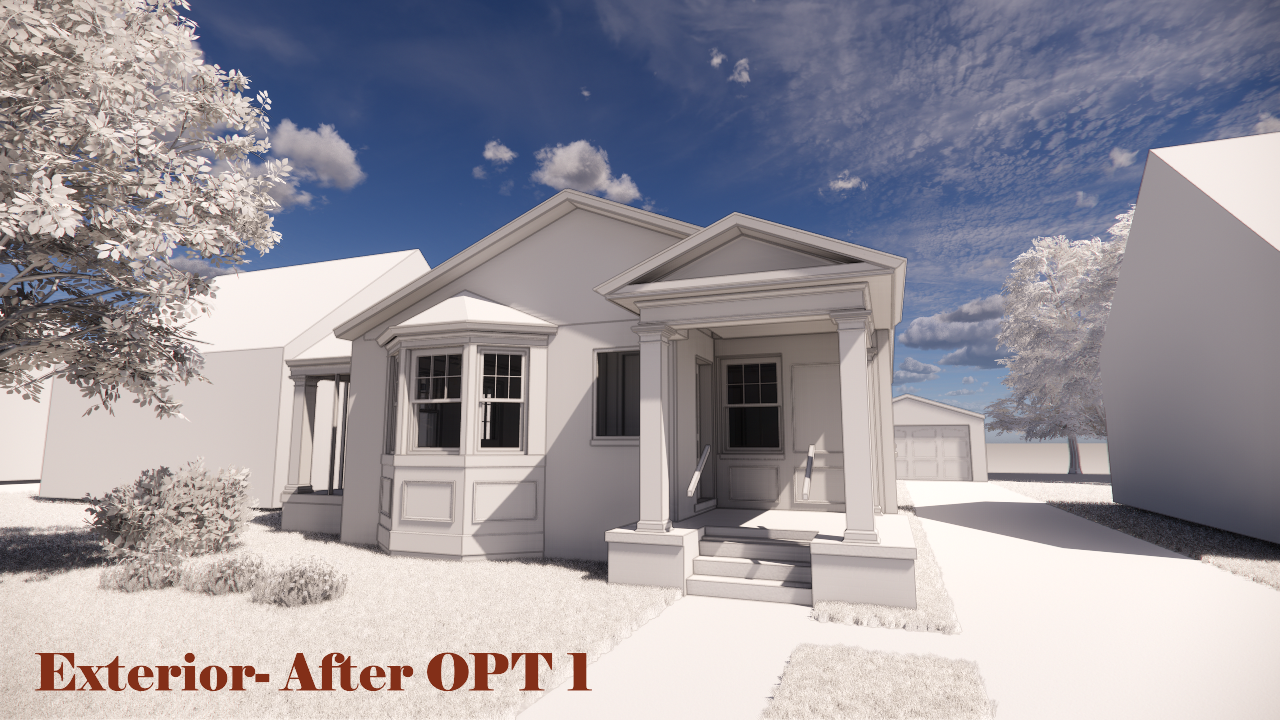
Originally, the home had no real entry—just a door facing sideways with no architectural emphasis.
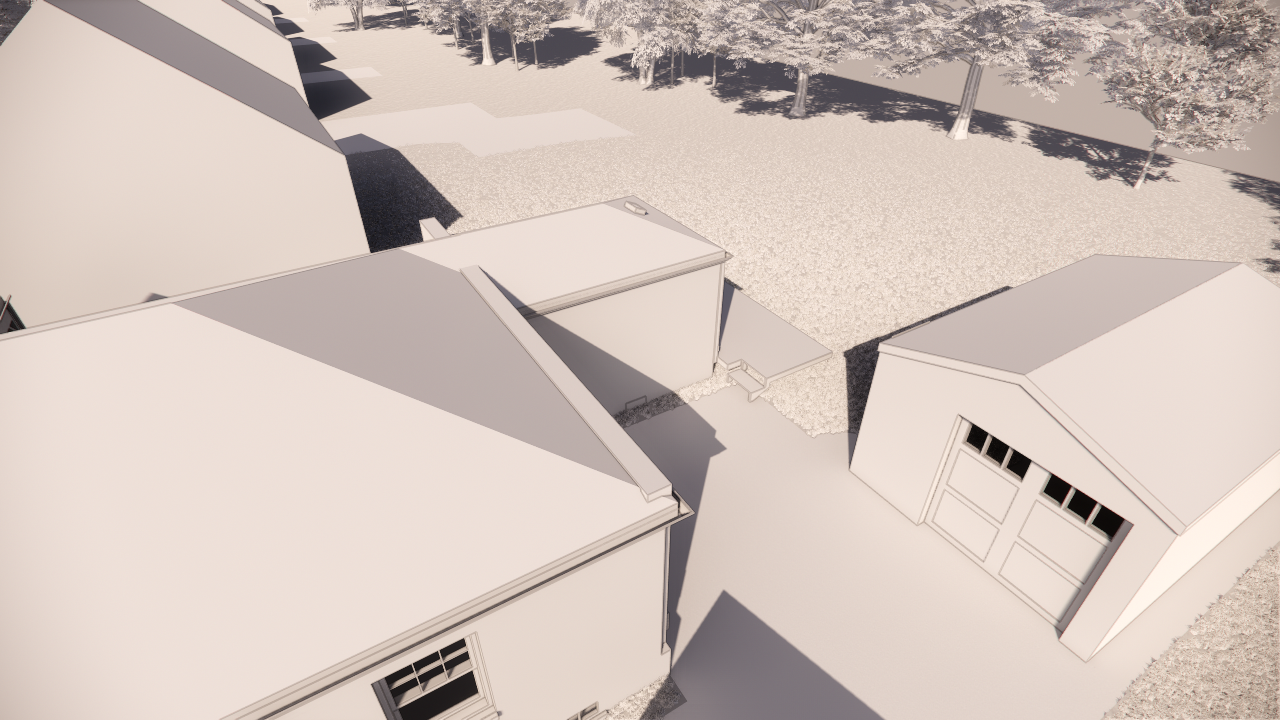
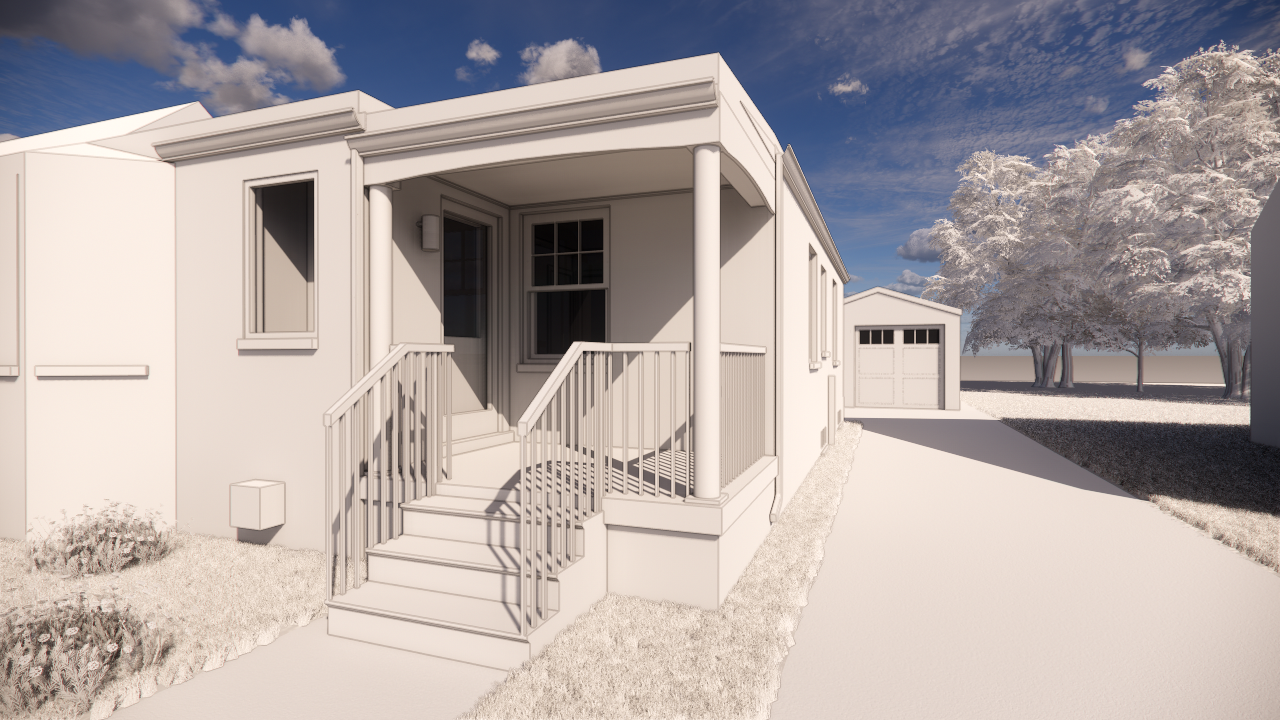
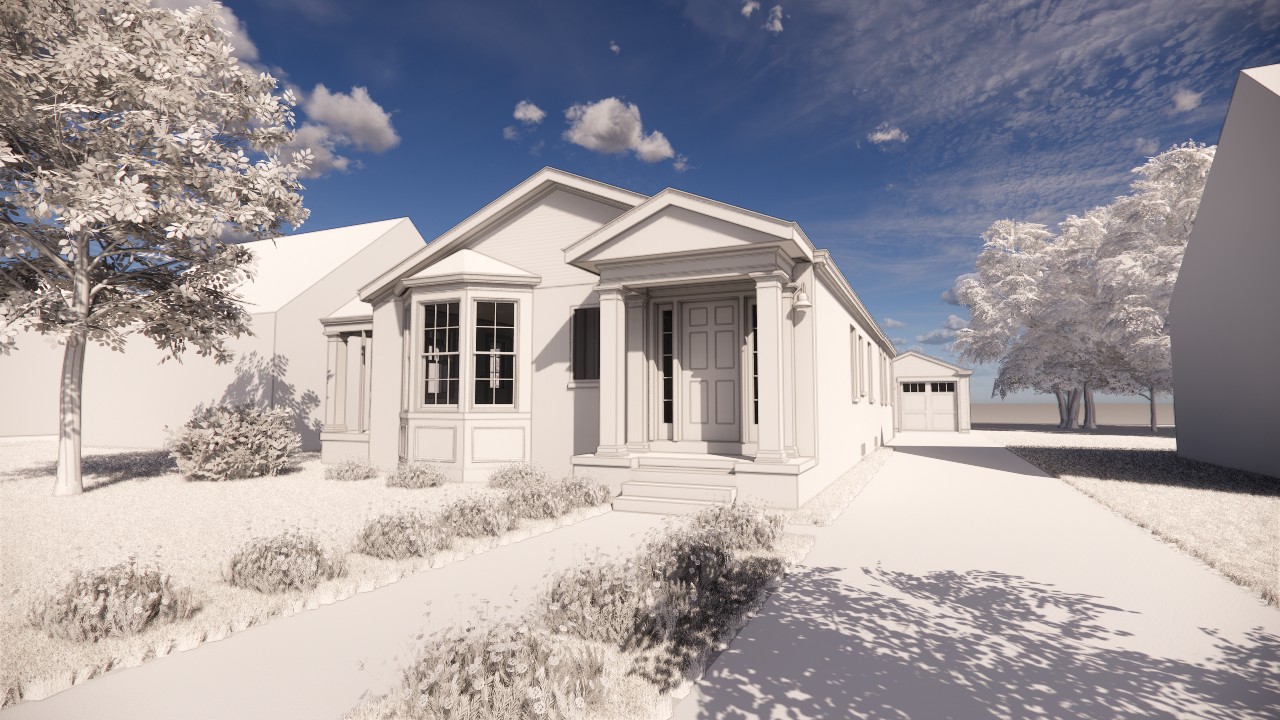
Rather than rebuild the entire façade, we projected a classically proportioned front porch that corrected the problem at its root.
Key design decisions included:
Doric columns sized using classical ratio methods
Column spacing derived from the house’s existing proportions
A new gabled porch roof layered onto the original roofline
Deep overhangs and eaves to create shadow, depth, and presence
Structurally, this required roofline reworking and careful integration.
Architecturally, it transformed everything.
The house now has:
A clear center
A legible entry
A welcoming sense of arrival
The Rear Elevation & Primary Suite Addition
At the back of the house, previous additions had introduced serious complications:
Lowered floor heights
Inefficient circulation
A rear elevation with no compositional logic
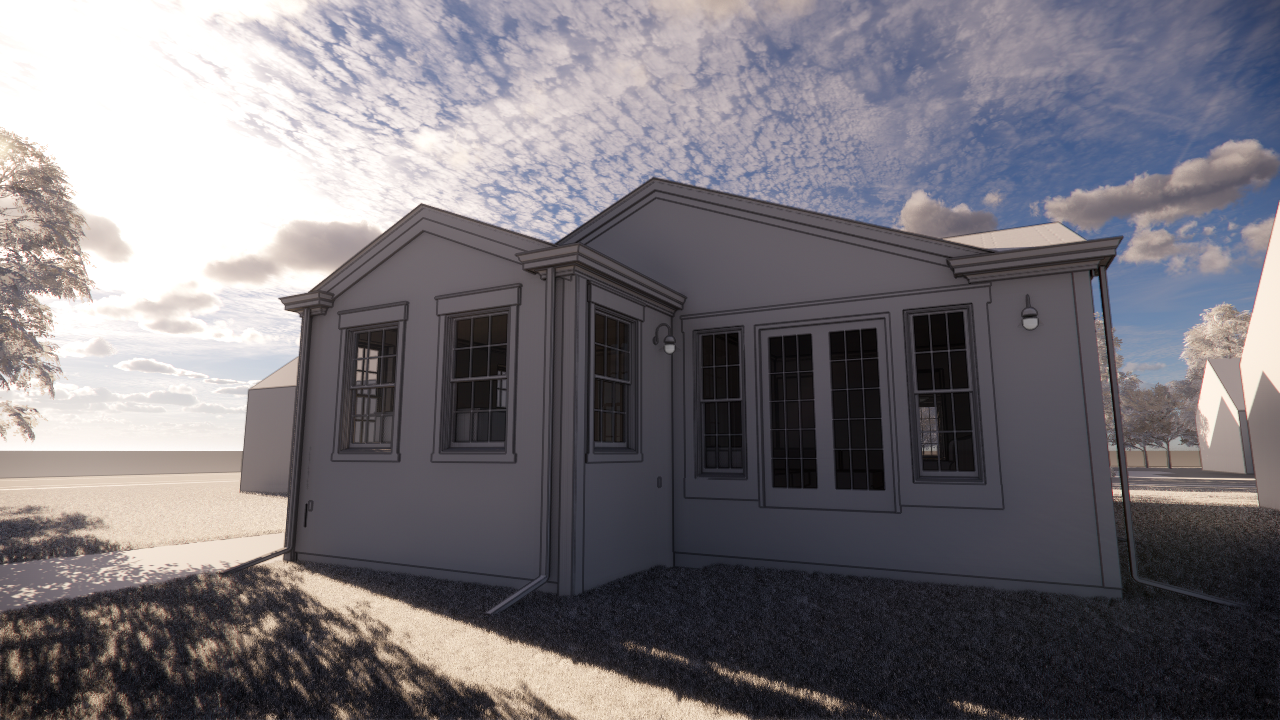
The primary suite addition was intentionally located to:
Align with existing plumbing to control costs
Rebuild and level the rear addition floor
Integrate massing using classical proportional rules
The original hipped roof made transitions manageable, while new projected gables helped balance the added volume.
The result feels original, not appended.
The Plan: A Process That Removes Guesswork
What ultimately changed the homeowners’ confidence was not a single rendering—it was the process.
Through:
Accurate as-built drawings
Proportional elevation studies
3D modeling and massing analysis
They could finally see:
Why certain ideas worked
Why others didn’t
That decisions were being made intentionally—not stylistically
This clarity allowed them to value-engineer wisely without sacrificing the integrity of the design.
The Result: From Mediocre to Meaningful
The transformation is unmistakable:
From no defined entry to a dignified arrival sequence
From a dysfunctional backyard to a cohesive rear elevation
From a forgettable ranch to a true architectural showpiece
The home now appeals to buyers and homeowners who value quality, proportion, and permanence.
Who This Type of Renovation Is For
This project resonates with homeowners who are:
Quality-driven but budget-aware
Long-term owners thinking ahead to resale
Disillusioned with trend-based renovations
Looking for architectural leadership—not Pinterest ideas
It is not suited for fast flips, farmhouse trends, or modernist makeovers.
The Cost of Doing Nothing (or Doing It Wrong)
The biggest misconception about 1950s ranch renovations is that small cosmetic changes will solve structural design problems.
They won’t.
Without a coherent architectural framework, details fight each other—and expensive mistakes multiply.
The real risk is not renovation.
The risk is renovating without direction.
Your Next Step
If you own a 1950s ranch and feel torn between a house you love inside and one you avoid judging outside, the issue is not your taste or your budget.
It’s the absence of architectural clarity.
A properly designed porch, addition, or elevation strategy can unlock the home’s full potential—without gutting it or chasing trends.
You don’t need more ideas.
You need a plan.
