
Conceptual Design in Farmington Hills, MI
A lot of folks in Farmington Hills call me when they feel stuck. They’ll say things like:
“We want to fix the house, but we don’t know where to start.”
Maybe the roof looks odd.
Maybe the rooms feel too tight.
Maybe the porch feels tiny or off-center.
Maybe the siding doesn’t match the shape of the house.
Homes in Wood Creek Farms, Ramblewood, Forest Park, Hunters Pointe, and Independence Commons all struggle with this stuff — these places have tons of homes built in the 40s, 50s, and 60s.
That’s where conceptual design comes in.
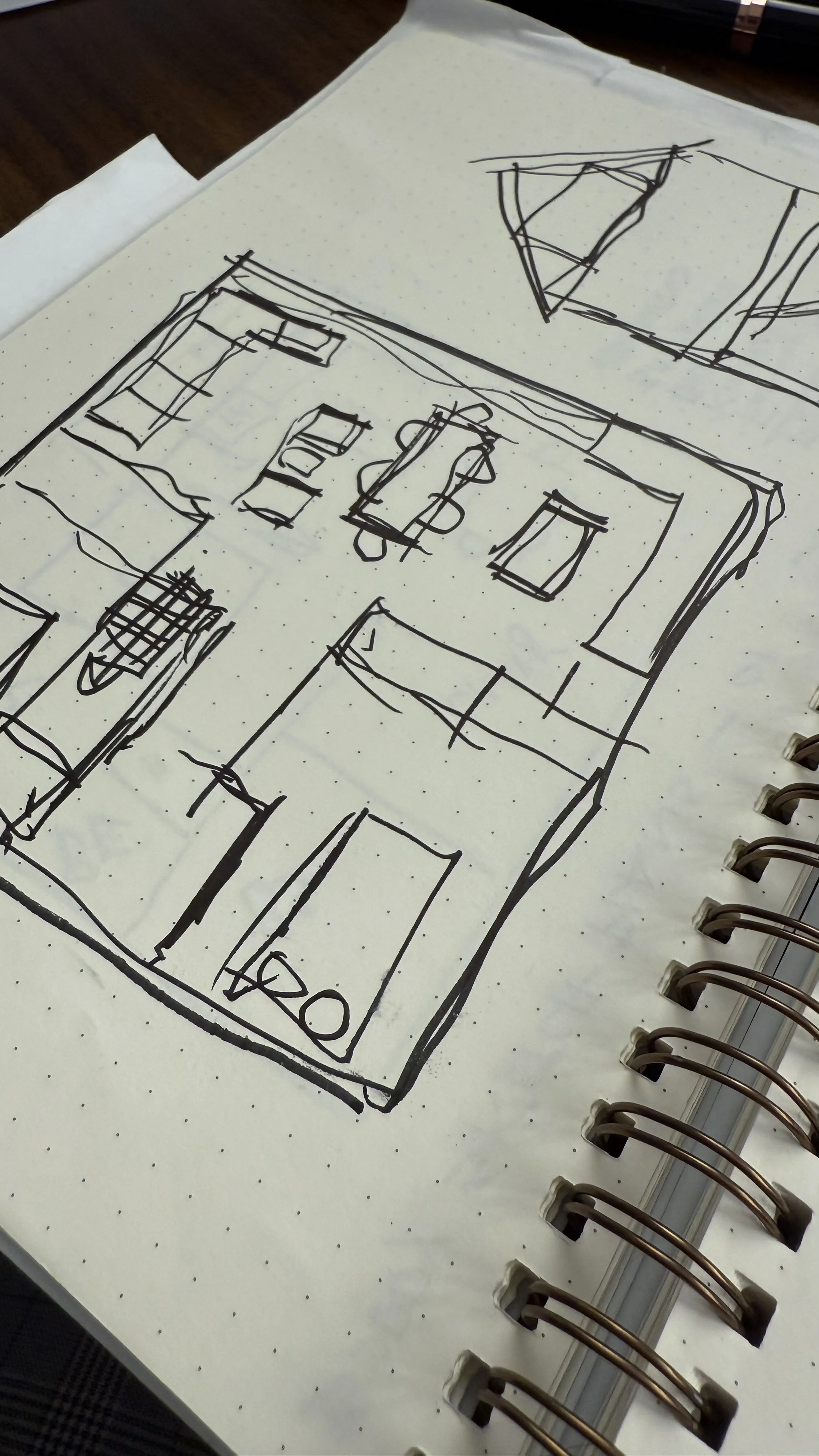
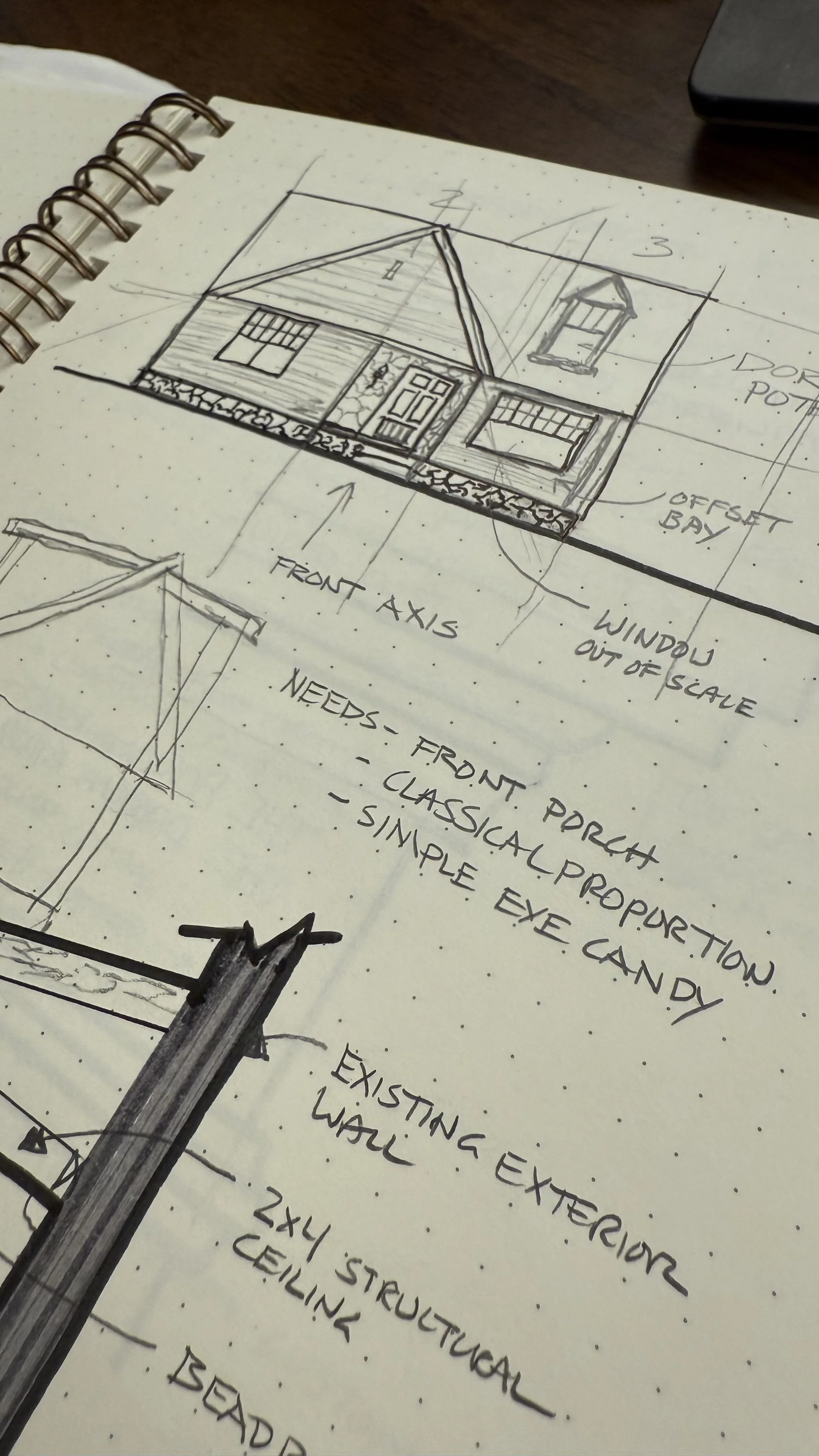
I map out early ideas that show how to fix the big problems using simple, clear sketches. I’ve been doing this since 2015 as an owner-run studio, and I’m a licensed Michigan builder. I also won Best of Houzz.
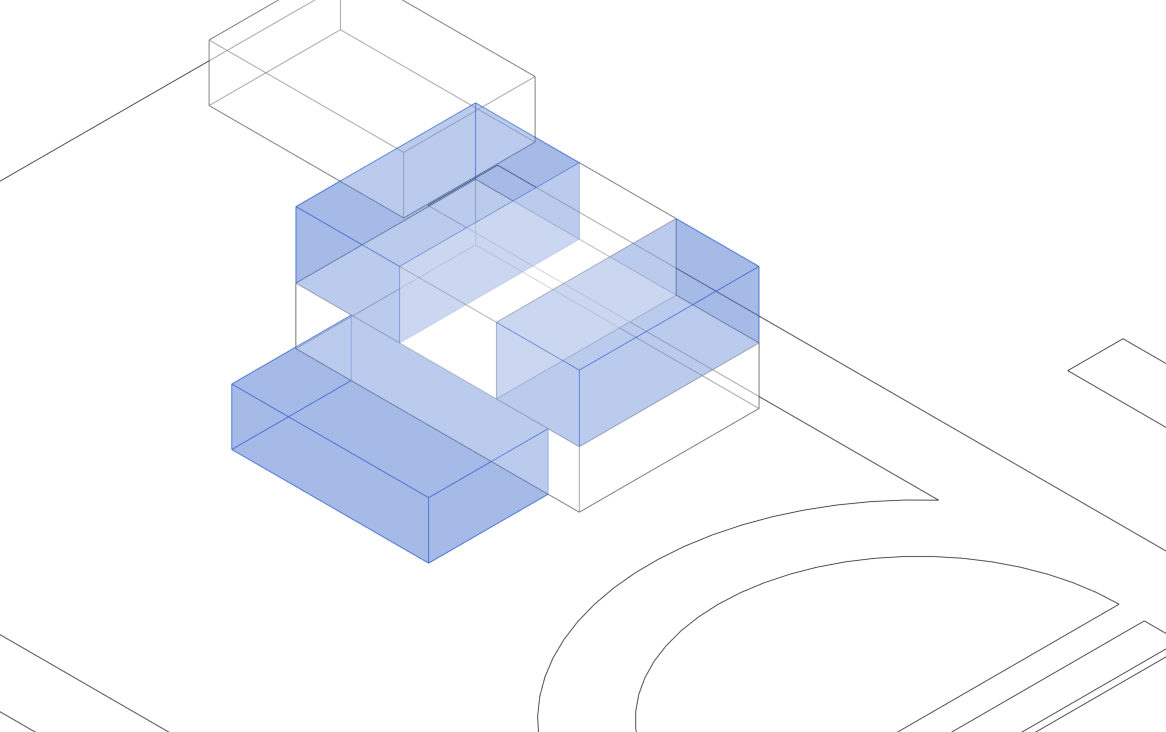
What Is Conceptual Design?
It’s the first step in seeing what your home could be. We call it schematic design.
Not full drawings.
Not permit stuff.
Not final choices.
Just clean, easy 3D based sketches that help you see:
A better roofline
A stronger porch shape
Where windows should go
How to open tight rooms
How an addition might sit
How to fix mismatched siding
How to make everything look like it belongs
These early ideas save folks tons of time and money.
Why Older Farmington Hills Homes Need This Step
Most homes around here have problems like:
✔ Shrunk kitchens
A lot of 50s homes in Ramblewood have boxed-in kitchens.
✔ Strange front elevations
Homes in Forest Park often have mismatched trims and siding.
✔ Bad window rhythm
Wood Creek Farms has many homes with weird window spacing.
✔ Random 80s additions
Independence Commons has add-ons that don’t match the house at all.
✔ Rooflines that look strange
Hunters Pointe homes sometimes have sagging or uneven rooflines.
These problems don’t get fixed with paint or landscaping.
They need a smart idea first.
That’s what conceptual design gives you.
What You Get in a Conceptual Design Session
1. A walk-through of the real problems
I help you see what’s really shaping the house.
2. A set of simple sketches
Nothing fancy, understand drawings.
3. A few design options
You can see Option A, Option B, or even Option C.
4. Notes on what each option fixes
You understand why the idea works.
5. A sense of budget direction
Not exact numbers, just a general feel of what’s big vs small.
People often tell me:
“The house feels off, but I don’t know why.”
“We want to do it right the first time.”
“We don’t want a trendy makeover.”
“We want it to look like it always belonged here.”
Conceptual design gives you the clear first step.
Common Problems Conceptual Design Solves
Small rooms that don’t flow
A tiny kitchen or tight hallway needs smarter shapes.
Curb appeal that never feels right
We fix the “face” of the home so it reads appealingly.
Rooflines that pull the eye
Sagging or unusual roof shapes are common in older homes because of random additions.
Weird window height or spacing
One tiny change here can make a house look brand new.
Additions that don’t belong
We redesign them so they feel original.
Local Expertise Built Into Every Sketch
Because I work right here in Farmington Hills, I know:
Which neighborhoods have 50s ranches
Which homes have ice problems
Which houses have broken trim
Which layouts feel too tight
Which styles belong together
Every idea fits the area.
