
Whole-Home Renovation Planning in Farmington Hills, MI
A lot of homeowners don’t have just one problem.
They have five.
The kitchen feels tight.
The front of the house looks off.
The roofline doesn’t match the addition.
The layout feels chopped up.
And every fix feels disconnected from the next one.
This is very common in older homes around Farmington Hills, especially in Wood Creek Farms, Ramblewood, Forest Park, Hunters Pointe, and Independence Commons. Many of these houses were built between the 1940s and 1960s, then changed little by little over the decades.
That’s why whole-home renovation planning matters.
Instead of fixing one room at a time, we step back and look at the entire house. We create a clear renovation strategy, so every change works together.
I’ve been doing this work since 2015 as an owner-operated studio. I’m also a licensed Michigan builder and a Best of Houzz winner. Older homes are my specialty.
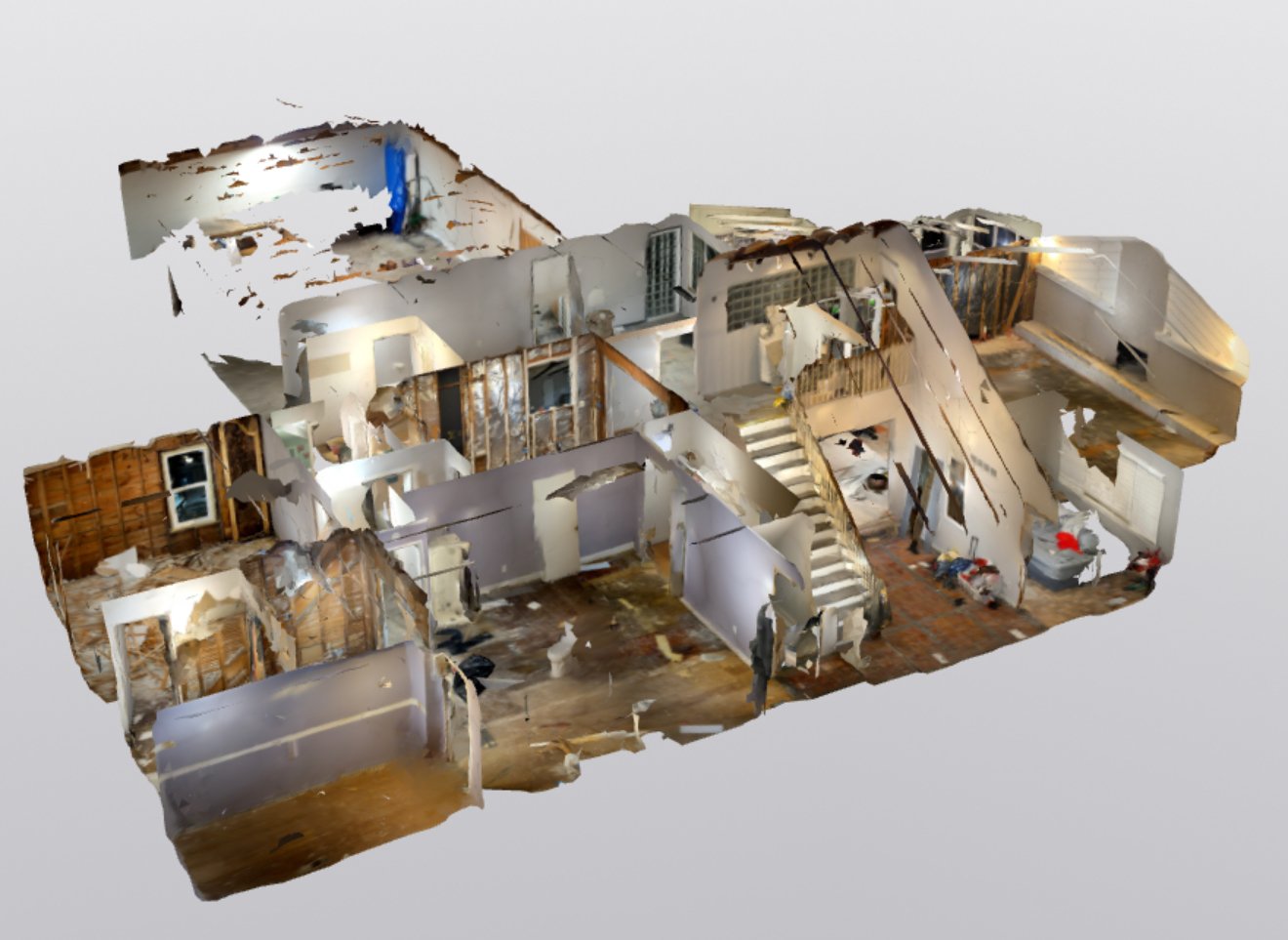
A full House Scan
What Whole-Home Renovation Planning Really Is
This is not a full set of drawings.
It’s not a rushed remodel plan.
And it’s not guesswork.
Whole-home renovation planning is a structured design strategy that evaluates your entire house and answers questions like:
What parts of the home should change first
What parts should stay as they are
How rooms should connect and flow
Where formal spaces belong vs daily living spaces
How exterior changes affect the inside
How materials should repeat and relate
How future phases should be planned
The goal is a home that feels calm, balanced, and livable.
Why Older Farmington Hills Homes Need a Whole-Home Plan
Most homes built in this area were never designed for modern life. Over time, they picked up problems like:
✔ Cramped layouts
Small kitchens, narrow halls, tight living spaces.
✔ Random additions
80s and 90s add-ons that don’t match the house.
✔ Poor balance between rooms
Formal spaces feel too big, daily spaces feel too small.
✔ Mismatched materials
Different trims, floors, siding, and finishes are fighting each other.
✔ Exterior and interior disconnect
The outside says one thing, the inside says another.
Fixing just one room often makes the rest feel worse. Whole-home planning prevents that.
What We Evaluate During Whole-Home Renovation Planning
1. Overall Layout and Flow
We look at how people actually move through the house.
2. Functional vs Formal Spaces
We balance daily living spaces with more formal areas so the home feels natural.
3. Proportion and Scale
Room sizes, ceiling heights, and transitions matter more than people think.
4. Exterior and Interior Relationship
The outside of the home should match what’s happening inside.
5. Material Strategy
We guide the use of artisan materials so the home feels layered, not busy.
6. Phasing and Timing
Not everything has to happen at once. We plan for now and later.
What You Get From This Service
A clear renovation strategy for the entire house
Identified problem areas and priorities
Layout improvement concepts
Guidance on which spaces to change first
Recommendations for additions or expansions
Exterior and interior coordination ideas
Material direction that fits the home
A roadmap you can actually follow
This gives you confidence before spending real money.
People often tell me:
“We don’t want to do this twice.”
“Every room feels disconnected.”
“We’re afraid of making the wrong move.”
“We want the house to feel like one idea.”
“We want it to look like it always belonged.”
Whole-home renovation planning solves those worries.
Local Knowledge Matters
Homes in Farmington Hills deal with:
Michigan winters that stress rooflines
older framing that limits changes
original layouts not meant for modern use
additions that shifted proportions
materials that aged unevenly
Because I work here every week, those realities get built into the plan.
Here is what you need to do:
If your home feels like a collection of unfinished ideas, whole-home renovation planning is the right first step.
Send me a message and tell me what feels wrong.
We’ll step back, look at the full picture, and build a clear path forward.
