THE TURNWOOD DESIGN PROCESS
Your Renovation Should Begin With Clarity—Not Construction.
A successful renovation is not created by rushing into drawings, collecting disconnected ideas, or asking contractors to price a project that has not been clearly defined.
It begins by understanding the house.
Turnwood Design Group uses a deliberate six-step process to help homeowners move from uncertainty to a coherent, carefully developed renovation—while protecting the character, proportion, and long-term value of the existing home.
You do not have to commit to the entire design process at the beginning. Each stage creates the information and confidence needed to decide whether the next investment makes sense.

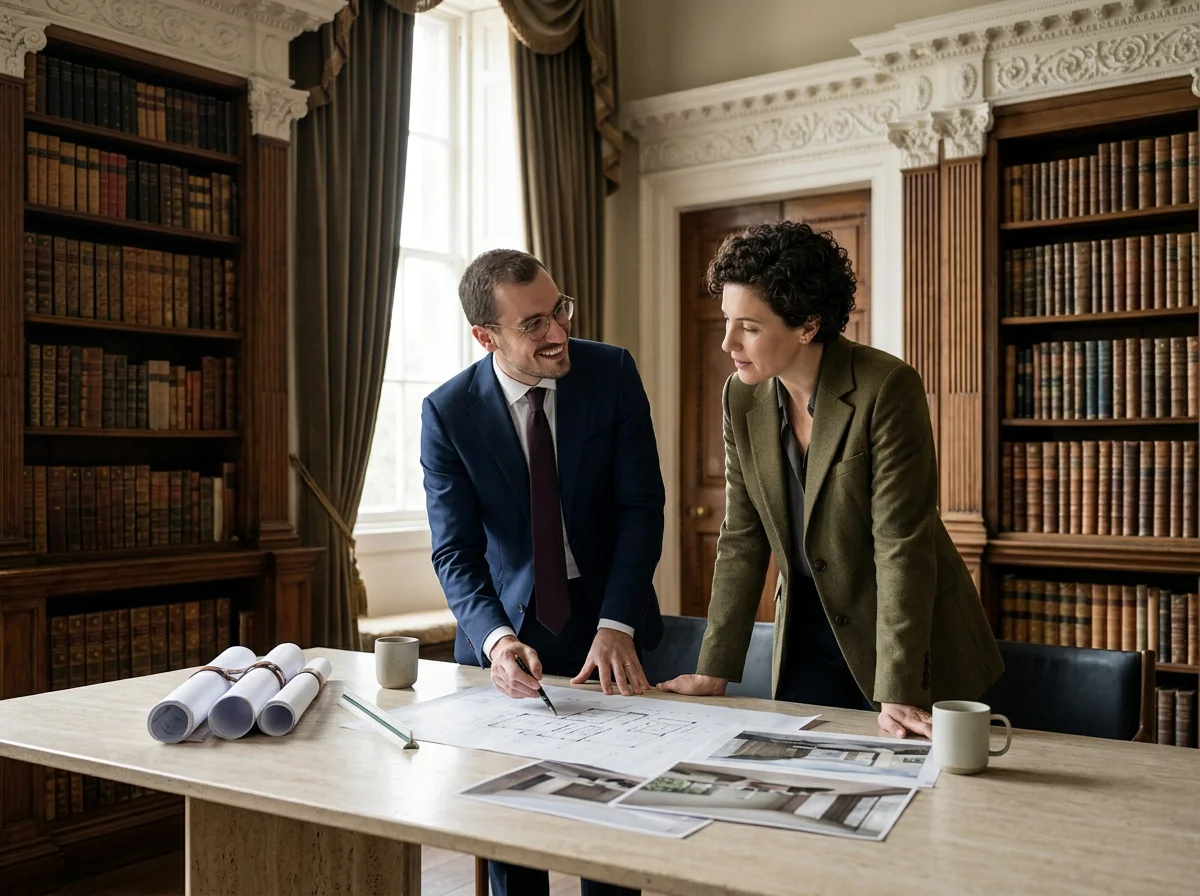
Turnwood Design Group developing an older-home renovation through measured drawings and 3D visualization in Metro Detroit.
WHY THE PROCESS MATTERS
The Most Expensive Renovation Mistakes Usually Begin Before Construction.
An addition can be beautifully built and still overwhelm the original house. A new kitchen can contain excellent materials and still leave the circulation unresolved. A second floor can provide the required rooms and still make a modest home look top-heavy or awkward.
These are not simply construction problems. They are design-sequence problems.
The major questions must be answered in the right order:
What problem are we actually trying to solve?
What should be preserved?
Does the house need more square footage—or a better use of the space it already has?
What can the architecture visually and structurally support?
Which decisions affect everything that follows?
Is the proposed investment appropriate for this particular house?
The Turnwood process is organized to answer those questions before construction pressure makes thoughtful decisions more difficult and expensive.
A beautifully built bad idea is still a bad idea. It is simply a much more expensive one.
A Six-Step Path From Possibility to a Buildable Direction
Every renovation is different, but the progression remains consistent: understand the problem, study the house, define the engagement, document existing conditions, develop the design, and prepare the information needed to move toward construction.

Home Revival Blueprint — Establish the right strategy.
In-Person Consultation — Test the strategy against the actual house.
Full Design Proposal — Define the scope, deliverables, and investment.
Existing-Conditions Documentation — Build an accurate digital foundation.
Schematic Design and Visualization — Explore and approve the right direction.
Design Development and Documentation — Coordinate the design for pricing, engineering, permitting, and construction.

STEP 1 — UNDERSTAND THE PROJECT
Begin With the Home Revival Blueprint™
The Home Revival Blueprint is the strategic starting point for a substantial renovation, addition, exterior transformation, or phased whole-house project.
During this private online consultation, we review your home, goals, photographs, available plans, inspiration images, preliminary budget, and the decisions you are struggling to make. We begin separating worthwhile possibilities from ideas that may be unnecessarily expensive, functionally weak, or architecturally unsuited to the house.
The objective is not to complete the design during a consultation. It is to determine what deserves to be designed.
What We May Examine
The real problem behind the requested renovation
Layout, circulation, and room relationships
Addition or second-floor possibilities
Exterior character, proportion, rooflines, and window rhythm
Renovating within the existing footprint versus adding square footage
Preliminary zoning, structural, site, or permitting questions
Budget alignment, priorities, and possible phasing
Whether renovating this house is the right long-term decision
What You Receive
A private 60–90 minute online strategy session
A recording of the consultation
A written diagnostic summary
Preliminary renovation and phasing recommendations
A recommended next-step roadmap
By the end of the Blueprint, you should understand what problem the project must solve, what the house may realistically become, and whether proceeding into more detailed investigation makes sense.

STEP 2 — STUDY THE HOUSE
In-Person Consultation and Existing-Home Assessment
When the project appears feasible and aligned with your goals, the next step is to study the house in person.
Photographs can show us what a room looks like. They cannot fully reveal how the house feels, how people move through it, how additions meet the original structure, how the roof is composed, or which existing conditions may influence the design.
During the visit, we walk through the home together and study its architecture, function, opportunities, and limitations.
The On-Site Review May Include
Room relationships and everyday circulation
Kitchen, gathering, bedroom, bathroom, and storage needs
First-floor living and aging-in-place priorities
Addition and second-floor expansion locations
Roof configuration, massing, windows, entry hierarchy, and exterior character
Visible structural and mechanical constraints
Site access and project sequencing considerations
Preliminary measurements, photographs, and digital field documentation
Conditions requiring a surveyor, structural engineer, or other consultant
This step tests the preliminary strategy against the physical reality of the house and establishes the design program—the organized list of problems, priorities, rooms, relationships, and architectural questions the full design must resolve.

STEP 3 — DEFINE THE ENGAGEMENT
Your Full Design Proposal and Project Roadmap
After the consultation, Turnwood prepares a project-specific proposal based on the actual complexity of your renovation.
This is not a generic drafting estimate. It defines what should be designed, how thoroughly it should be explored, what professional coordination may be required, and what you will receive at each stage.
Where appropriate, the proposal may include Silver, Gold, and Platinum options so you can select the level of design exploration, visualization, documentation, and support that best fits the project.
Your Proposal May Define
The rooms, additions, exterior areas, or project phases included
Existing-condition documentation requirements
The number of concepts or design directions
Floor-plan, elevation, and three-dimensional studies
Revision allowances and presentation meetings
Design-development and construction-document deliverables
Structural-engineering or consultant coordination
Anticipated design sequence and schedule
Professional fees and payment milestones
Client responsibilities, assumptions, and exclusions
Before you authorize full design, you will know what Turnwood is being retained to solve, what information will be produced, what decisions will be expected from you, and what the professional investment will be.

STEP 4 — DOCUMENT THE EXISTING HOME
Existing-Conditions Documentation and Digital Model
Renovation design cannot begin with an imaginary version of the house. It must begin with an accurate understanding of what is already there.
Using field measurements, LiDAR documentation, photographs, available surveys, existing drawings, and additional verification as required, we develop an existing-conditions model of the home.
Depending on the Project, We May Document
Existing floor plans
Exterior elevations
Roof forms and major intersections
Wall, door, and window locations
Ceiling heights and floor-level changes
Stairs and circulation
Significant architectural features
Visible structural conditions
Previous additions and irregular construction
Relevant relationships between the house and site
The model becomes the coordinated digital foundation for the renovation. It reduces guesswork and allows proposed changes to be evaluated in relation to the entire house—not as isolated ideas.
STEP 5 — DEVELOP THE RIGHT DESIGN
Schematic Design and Visual Scenario Development
This is the primary architectural problem-solving phase.
We organize your functional needs, architectural preferences, existing conditions, and construction priorities into coherent design possibilities. Depending on the selected service level, this may include alternative floor plans, addition configurations, exterior compositions, roof studies, window and entry strategies, or phased renovation scenarios.
The purpose is not to generate the greatest number of ideas. It is to identify the strongest direction for the whole house.
Every Design Is Tested Against Questions Such As
Does the layout improve everyday movement and use?
Is new square footage being placed where it creates the greatest benefit?
Does the addition feel naturally connected to the original home?
Are the entry, rooflines, windows, and materials properly composed?
Does the renovation respect the house’s architectural character?
Are expensive interventions producing meaningful value?
Can the work be phased without compromising the final result?
Will the house still look coherent and appropriate twenty years from now?
Three-dimensional visualization allows you to see important spatial and exterior relationships before construction. It gives you a meaningful way to understand the design, compare possibilities, and participate confidently in selecting the preferred direction.
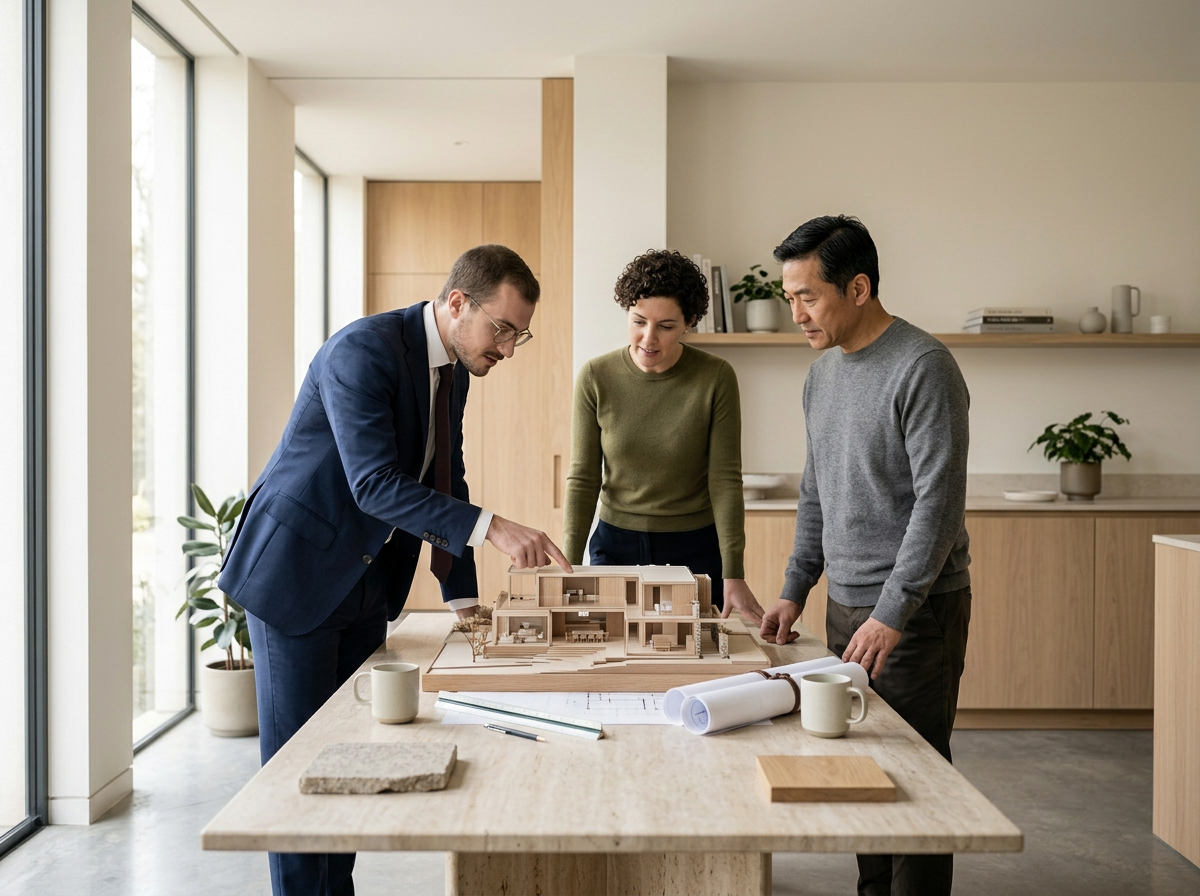
At the completion of schematic design, the major direction of the renovation is approved: the layout, massing, architectural character, and overall relationship between old and new.
STEP 6 — PREPARE THE PROJECT TO MOVE FORWARD
Design Development, Documentation, and Construction Handoff
After the preferred concept is approved, the design is refined into coordinated information that can support contractor pricing, engineering, permit development, and construction.
We resolve the major dimensions, openings, transitions, exterior materials, and relationships between existing and proposed construction. Depending on the scope and selected package, Turnwood may coordinate with structural engineers, surveyors, contractors, product representatives, or other licensed professionals.
The Final Design Package May Include
Proposed floor plans
Exterior elevations
Roof plans
Building sections
Major dimensions and opening locations
Exterior materials and architectural details
Three-dimensional views or visualization access
Preliminary structural coordination
Notes and files for contractor, engineer, or local professional use
Documentation appropriate to the agreed scope and jurisdictional requirements
Specialized engineering calculations, energy documentation, surveys, professional seals, or jurisdiction-specific services are provided or coordinated separately when required and as defined in the proposal.
The completed design package gives the homeowner, contractor, and consultants a shared point of reference. Major aesthetic and functional decisions are resolved before field conditions and construction schedules create pressure to accept convenient compromises.
WHAT MAKES THE PROCESS DIFFERENT
The Goal Is Not Simply More Space. It Is a House That Makes More Sense.
Turnwood specializes in the transformation of older American homes—particularly homes built between the 1930s and 1970s. These houses are not blank sheets of paper. They already possess proportions, roof relationships, window rhythms, material patterns, compromises, and memories.
The right renovation does more than satisfy a room list. It improves daily life while allowing the old house and the new work to speak the same architectural language.
Throughout the process, we return to three questions:
Does it work? Does the renovation improve how the household lives and moves through the home?
Does it belong? Does the new work feel appropriate to the architecture rather than obviously attached or imposed?
Is it worth it? Is the investment being directed toward decisions that meaningfully improve the home’s usefulness, character, and longevity?
THIS IS WHAT OUR CLIENTS SAY ABOUT US:
“My wife and I are currently planning a remodel of our existing home. We had many reservations in hiring an architect to bring our dreams for the project to life. After several weeks and sessions working with Nate, we can say he has exceeded our expectations in every way. As we progress with our design, Nate has demonstrated his knowledge of design, attention to detail, and ability to provide a home design that both captures our aesthetic vision and provides all of the function we need as a busy family. Nate asks the questions we may not know to ask and has a proven ability to apply practical solutions. He is also at the forefront of technology - we were surprised to see in as much detail what our home will look and feel like inside and out. Working with Nate has truly been a collaboration that has been exciting and enjoyable. Nate is someone you can trust with your dreams - he is sure to create a home that is timeless and beautiful.
— J. Burch
“My husband and I worked with Nate to design our home in downtown Plymouth. New to the process, he guided us in all of the right directions to create our dream home. Nate has an impeccable eye for detail and it truly shows in all aspects of our home. The technology he used to create our home made the process seamless and brought our vision to life with high quality 3D images and video. If you are looking for an architect who takes great pride in their work, you’ve come to the right place! We couldn’t be happier! Thank you, Nate!
— K. Switala
“Nate has done a wonderful job helping us work through our plans and ideas for a large home remodel. He is an incredibly patient person! He thinks of ways to fix issues that we didn’t even know could be fixed. His mastery of architectural technology has allowed us to really “see” what we are doing and what is possible. He has the great ability to generate a multitude of ideas and possibilities for a client to choose from. We have really appreciated his kindness and help.
— B. Gerich
“You have helped us to see our vision and have provided a wonderful design experience.
— M. Libbing
FREQUENTLY ASKED QUESTIONS
Questions Homeowners Ask About the Renovation Design Process
Where should I begin if I am considering a major home renovation?
Begin with the Home Revival Blueprint. It is a private online strategy session designed to clarify the problem, evaluate the house’s potential, identify major constraints, and determine whether an in-person assessment or further design investment makes sense.
Do I need drawings before scheduling the Home Revival Blueprint?
No. Existing drawings can be helpful, but they are not required. Photographs, sketches, real-estate plans, inspiration images, surveys, and a written description of your goals can all help us begin the conversation.
Why not begin by asking a contractor for a price?
A contractor can price a sufficiently defined scope, but reliable pricing is difficult when the layout, addition, roof form, structural approach, and level of finish are still unresolved. The design process helps determine what should be built so contractors can eventually price the right project.
What happens during an in-person renovation consultation?
We walk through the home together, discuss how it currently works, study its architectural character, review possible renovation or addition locations, identify visible constraints, and establish the design questions that need to be resolved next.
Are measured drawings and LiDAR documentation included in the consultation?
Field measurements, photographs, and digital documentation may be collected during the visit when appropriate. Finished as-built drawings and a complete existing-conditions model are separate professional deliverables unless the proposal or service description expressly includes them.
When will I receive a fee for the full design project?
Turnwood prepares the full design proposal after the strategic and on-site information needed to understand the project has been gathered. The proposal then defines the scope, deliverables, options, schedule, consultant needs, and professional fees.
Will I see the renovation in three dimensions before construction?
Three-dimensional design and visualization are central to Turnwood’s process. The specific level of visualization depends on the package selected, but the purpose is to help you understand important spatial, exterior, and architectural relationships before construction money is committed.
Does Turnwood provide permit drawings and engineering?
The required documentation depends on the project, selected design package, and local jurisdiction. Turnwood defines the architectural design scope in the proposal and coordinates with structural engineers, surveyors, licensed professionals, or other specialists when their services are required.
Can the renovation be completed in phases?
Yes. When phasing is appropriate, the long-range plan should be established before the first phase is designed. This helps prevent work completed today from interfering with additions, circulation changes, exterior improvements, or mechanical work planned for later.
Does Turnwood work outside Metro Detroit?
Yes. The Home Revival Blueprint and selected design services can be provided online. Projects outside the immediate service area may require local professionals for field verification, zoning, engineering, permitting, or other jurisdiction-specific services.
You Do Not Need Every Answer Before You Begin.
You need a disciplined way to discover the right answers before expensive decisions are made.
If you are considering a substantial renovation, addition, second-floor expansion, exterior transformation, or phased improvement to an older home, begin with the Home Revival Blueprint.
We will study what is not working, what deserves to remain, what the house may realistically become, and what should happen next.