
Design Development in Farmington Hills, MI
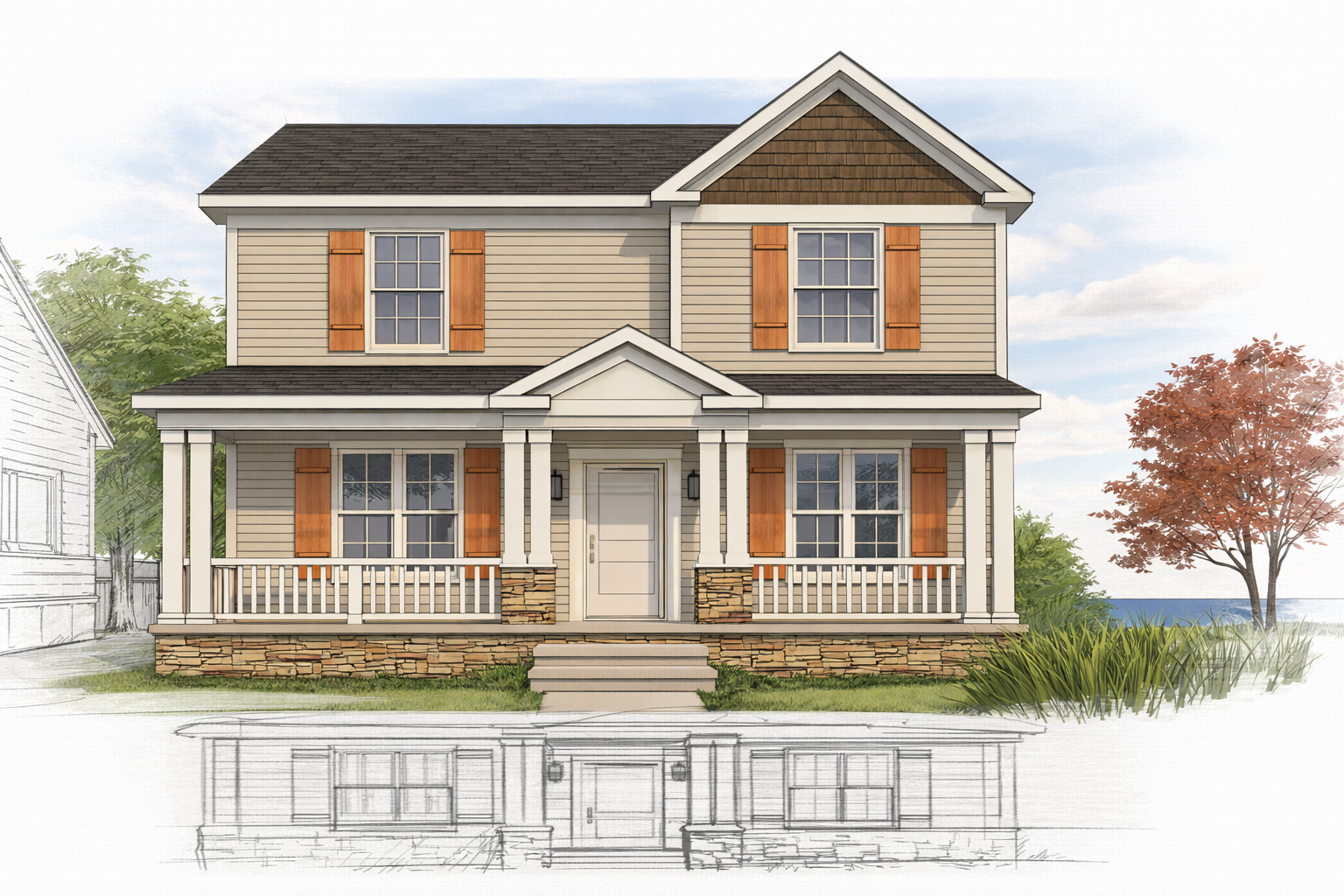
Design Ideation
After ideas start to feel right, homeowners often hit another wall. They’ll say:
“We like the idea… but we don’t know how to make it real.”
That’s where design development comes in.
This step takes loose ideas and turns them into clear, build-ready decisions. Not permits yet. Not construction. Just solid choices that remove guesswork.
Homes in Wood Creek Farms, Ramblewood, Forest Park, Hunters Pointe, and Independence Commons need this step more than most. Older houses hide problems in rooflines, walls, and proportions. If you skip this step, mistakes get expensive fast.
I’ve been doing this work since 2015 as an owner-run studio. I’m also a licensed Michigan builder and Best of Houzz 2020. I design things so they can actually be built.
What Design Development Really Means
Design development is where we slow things down and make smart calls.
We take your approved concept and lock in:
room sizes
wall locations
roof shapes
dormer placement
window sizes and spacing
door heights
porch depth
trim style
siding layout
material direction
This is where homes stop feeling “almost right” and start feeling calm.
Why Older Farmington Hills Homes Need This Step
Most homes built between 1940 and 1970 were never meant for today’s living. That causes issues like:
✔ Rooflines that don’t match additions
Common in Ramblewood and Forest Park.
✔ Windows placed without rhythm
Very common in Wood Creek Farms.
✔ Rooms that feel tight even after remodels
Seen all over Independence Commons.
✔ Porches that feel shallow or too tall
Often caused by rushed design.
✔ Trim and siding that fight the house
A lot of 80s updates missed the mark.
Design development fixes these problems on paper, not during construction.
What Happens During Design Development
1. Layout gets cleaned up
We fix tight spots and bad flow.
2. Roof shapes get refined
Pitch, overhangs, and connections get resolved.
3. Window and door sizes get corrected
This alone can change the whole feel of a house.
4. Exterior details get aligned
Trim, siding, and proportions start working together.
5. Interior details get clarified
Ceiling heights, wall thickness, and transitions get sorted.
You end this phase knowing what you’re building.
Common Problems Design Development Solves
“It looks good, but something feels off”
Usually a proportion or alignment issue.
“The addition feels tacked on”
Roof and wall connections weren’t thought through.
“The contractor keeps asking questions”
Design details weren’t clear enough.
“We’re scared of cost creep”
Clear decisions help control budget.
“We don’t want to redo this later”
This step prevents regret.
People often tell me:
“We want to do it once.”
“We don’t want surprises.”
“We don’t want the house to look fake.”
“We want it to feel like it belongs.”
Design development is where that happens.
Local Experience Matters Here
Because I work in Farmington Hills all the time, I know:
How ice affects roof edges
Where old framing hides problems
Which window sizes look right on 50s homes
Which porch proportions work in this area
How additions usually fail when rushed
That local knowledge gets baked into the design.
If you like the idea but want it to actually work, design development is the step you need.
Send me a message and we’ll tighten everything up before anything gets built.
