
A lot of homeowners hear about the “30% rule” and assume it is some kind of universal law.
Usually, the idea is that you should not spend more than about 30% of your home’s value on a renovation project.
It sounds tidy.
It sounds safe.
It also leaves out a lot.
The real problem is that houses are not spreadsheets.
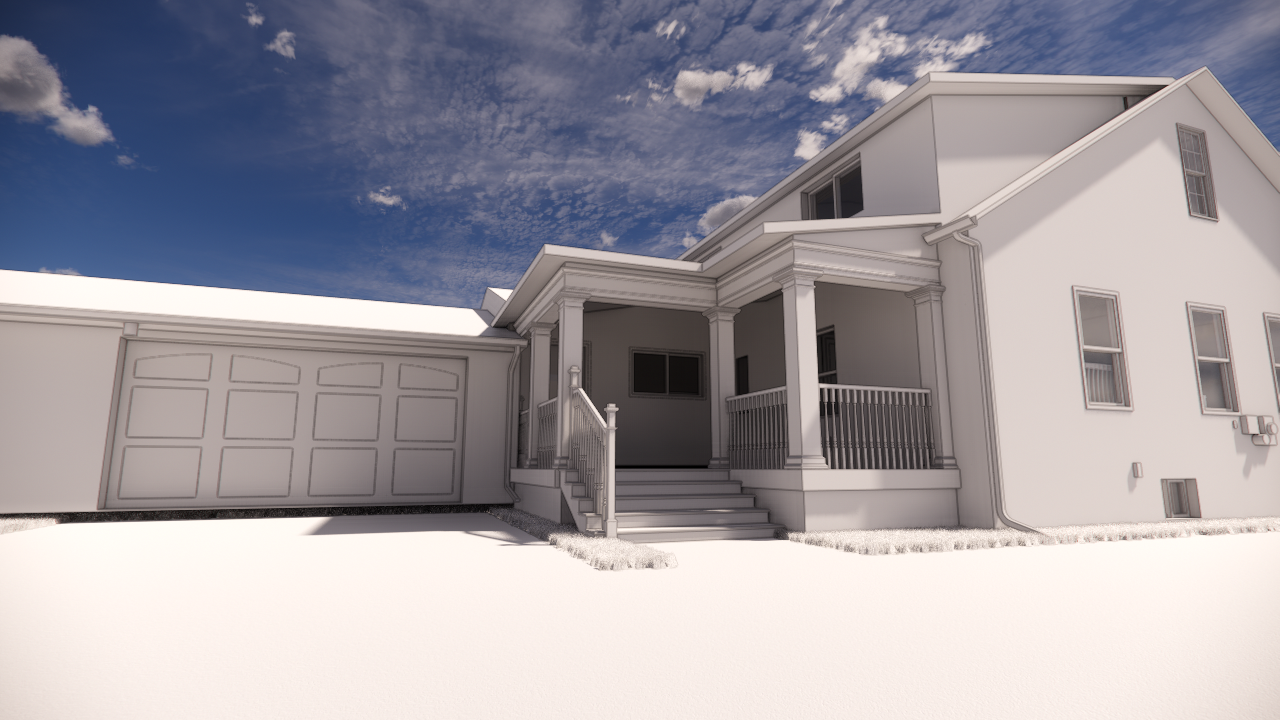
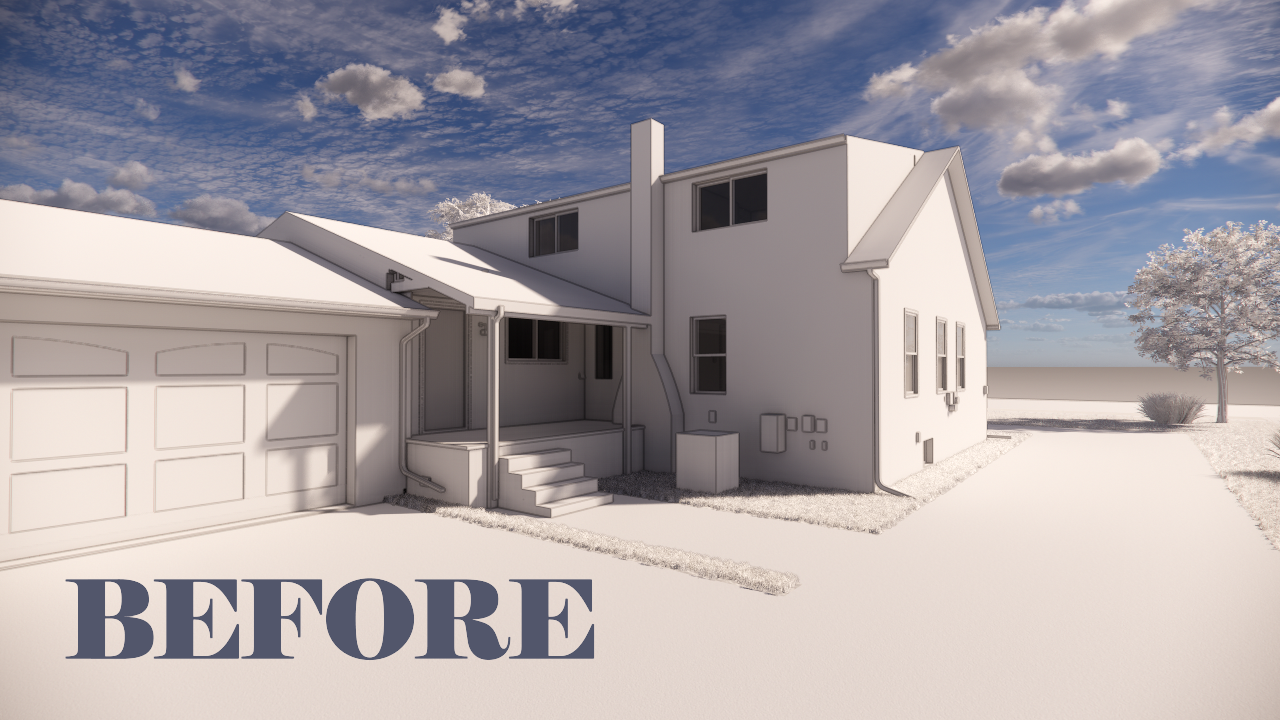
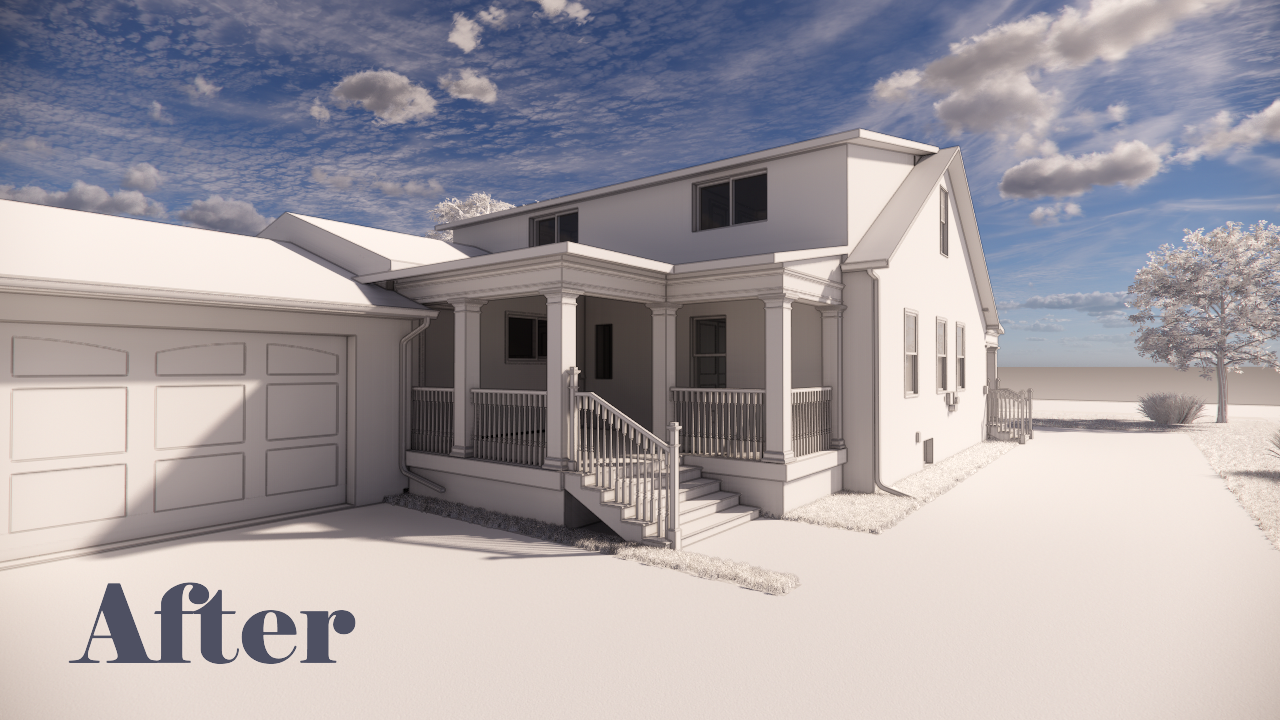
A 1950s Ranch in a strong neighborhood may deserve a very different level of investment than a poorly located house with major structural problems. A modest older home with good bones, excellent site positioning, and long-term neighborhood value may justify a deeper renovation than a simplistic percentage rule would ever suggest.
That is where homeowners get misled.
They start treating a budgeting shortcut like a law of nature, when in reality it is only a rough rule of thumb.
For older homes, the smarter question is not, “What percentage am I allowed to spend?”
The smarter question is, “Will this renovation solve the right problems in the right order?”
That distinction matters.
If you spend $80,000 updating finishes but ignore poor entry hierarchy, awkward circulation, mismatched windows, weak curb appeal, or bad proportions, you may spend a lot of money without meaningfully improving the house.
The renovation may feel newer, but not better.
That is why design comes first.
Before you set a renovation budget, you need clarity on four things:
what the house can become
what should be preserved
what must be corrected
which improvements will actually increase function, visual value, and long-term satisfaction
A percentage cannot tell you that.
Only thoughtful design can.
Now, to be fair, the 30% rule can still be useful as a loose starting point. It may help homeowners recognize when they are drifting into unrealistic territory too early. But it should never be the thing making the decision for you.
Because the real measure of a wise renovation is not whether it fits neatly into a formula.
It is whether the investment makes architectural, financial, and lifestyle sense for your specific house.
A well-planned renovation can absolutely exceed a generic rule and still be the right decision. A poorly planned renovation can stay under that percentage and still waste money.
Good renovation planning is not about chasing a number.
It is about understanding the house in front of you.
If you are trying to decide whether your renovation budget is wise or wasteful, start with a design-first consultation before you commit to construction pricing.
👉 Book your Home Revival Blueprint Session and get clarity on what your house is truly worth investing in before you spend another dollar.
