
MY HOUSE NO LONGER WORKS
You May Not Need a Bigger House. You May Need a Better Plan for the House You Already Have.
Maybe the kitchen feels too small.
Maybe everyone enters through the same cramped doorway.
Maybe you need a first-floor primary suite, better storage, another bathroom, a home office, or simply more breathing room.
And eventually the thought becomes:
“We probably need an addition.”
Maybe you do.
But before you start adding square footage, there is a more important question:
Is your house actually too small, or is the space you already have simply not working very well?
That distinction can completely change the renovation.
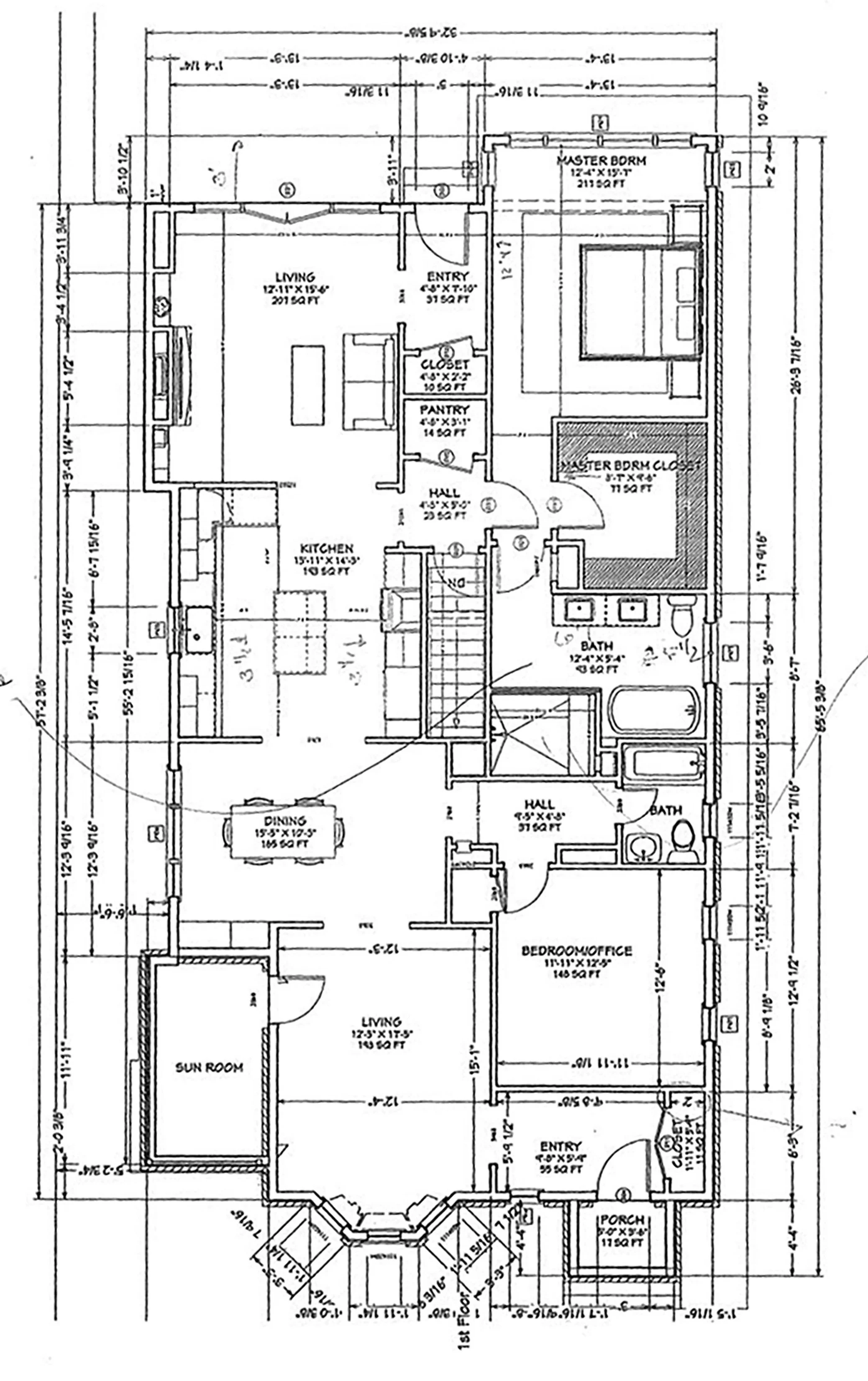
SOMETIMES THE PROBLEM IS CIRCULATION
A room can be perfectly adequate in size and still feel terrible.
Why?
Because people are constantly walking through it.
Doors open into the wrong places.
Furniture has nowhere natural to go.
The kitchen has become the pathway between the garage, backyard and rest of the house.
Or several rooms are technically large enough but poorly connected.
In those situations, adding square footage without fixing the circulation can simply make the house bigger without making it better.
SOMETIMES ONE ADDITION CAN SOLVE SEVERAL PROBLEMS
An addition does not have to contain every new function.
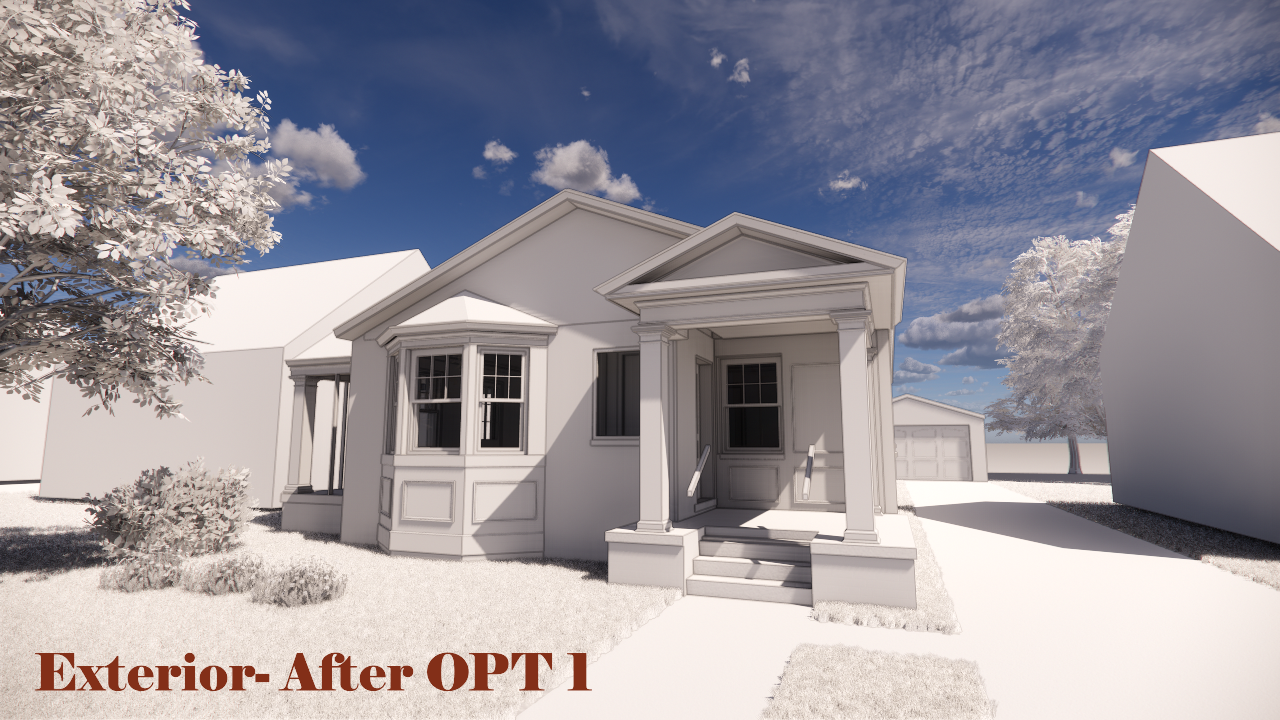
Sometimes its real purpose is to unlock the existing house.
A modest addition might create enough room to move one function, which allows another room to become the dining room, which frees another space for a mudroom or office.
That is very different from simply attaching another large room to the back of the house.
The best addition is not necessarily the biggest one.
It is the one that makes the rest of the house work harder.
SOMETIMES THE ANSWER IS ALREADY INSIDE THE HOUSE
Before expanding the footprint, I also look for underperforming space.
Could part of the second floor absorb another function?
Could an oversized bedroom be reorganized?
Could an underused formal room serve the family better in another way?
Could storage be consolidated?
Could the kitchen expand into adjacent space without sacrificing something more valuable?
This does not mean forcing every house into an open-concept plan.
It means understanding whether the existing square footage is being used intelligently.
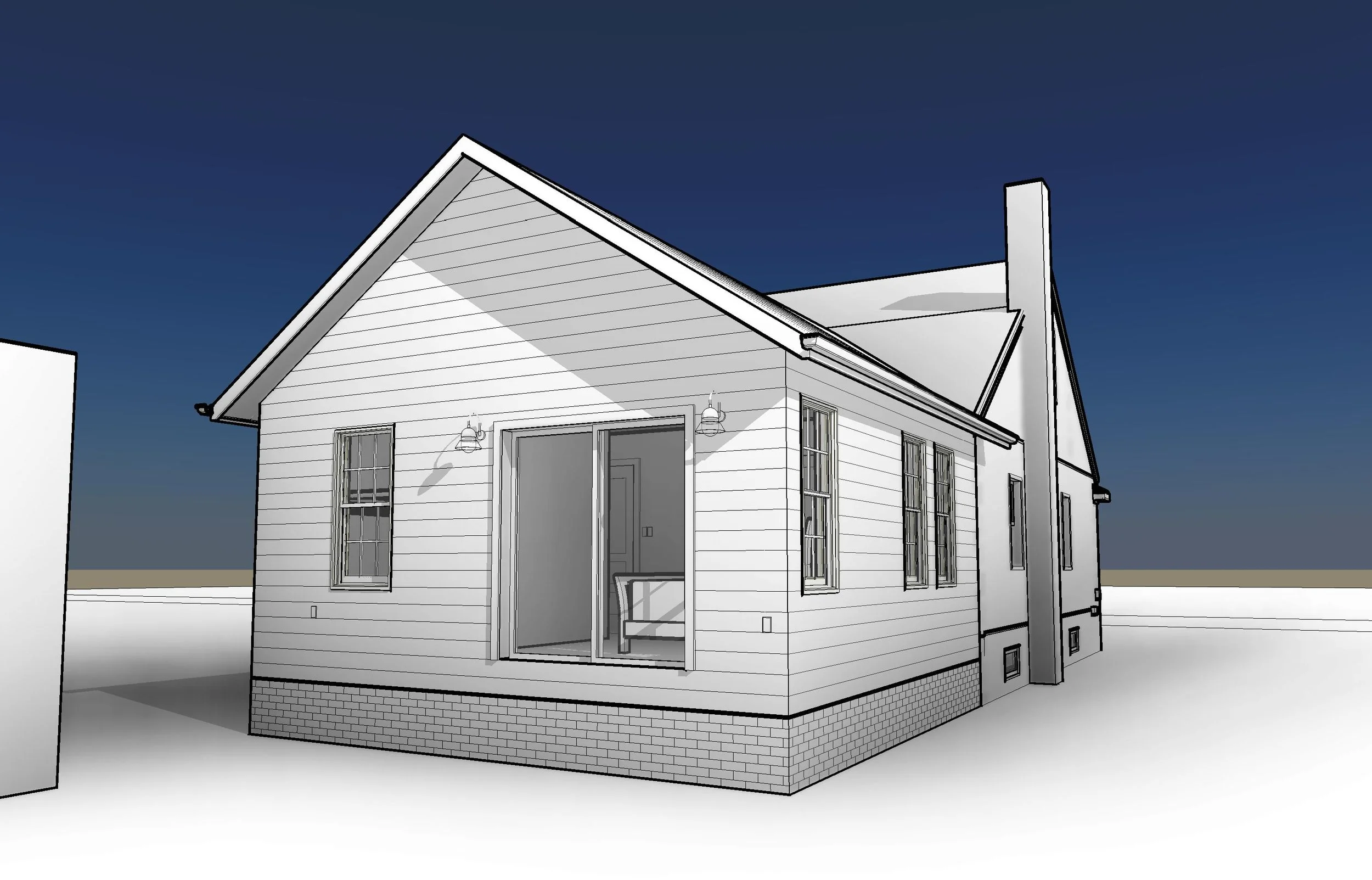
AND SOMETIMES THE RENOVATION DOESN'T MAKE SENSE
This is another answer homeowners deserve to hear.
There are situations where the renovation someone imagines is technically possible but economically or architecturally difficult to justify.
Maybe the structure makes it unusually expensive.
Maybe zoning limits the addition.
Maybe the house would have to be altered so extensively that much of its original character would be lost.
Or maybe the investment required simply does not make sense for what the homeowner is trying to accomplish.
That is worth discovering before you spend money on extensive drawings and contractor pricing.
Sometimes knowing what not to build is one of the most valuable outcomes of the planning process.

A BETTER QUESTION TO ASK
Instead of starting with:
“How big should our addition be?”
Start with:
“What is the smartest version of the house we already own?”
Then begin looking at:
what is actually causing the frustration
which problems are connected
which spaces are underperforming
what should remain
what should move
what truly needs to be added
and whether the renovation makes financial sense
Once those questions are clearer, the design becomes much easier to understand.
WANT HELP THINKING THROUGH YOUR HOUSE?
Start With the Home Revival Blueprint™
The Home Revival Blueprint is designed for homeowners who know something needs to change but are not yet certain what the right renovation should actually be.
Before committing to full drawings or collecting contractor proposals, we step back and look at the bigger questions:
What is actually wrong with the house?
Can the existing plan be reorganized?
Where would additional space create the greatest benefit?
Which ideas deserve further investigation?
What should happen first?
And does the renovation make enough sense to pursue?
The objective is not to rush you into a larger project.
It is to give you a much clearer understanding of what the project should be.
NOT READY FOR A CONSULTATION YET?
Start With the Older Home Renovation Planning Pack
If you are still researching, use the Planning Pack to begin documenting your house, identifying your priorities, and separating what you know from what still needs to be investigated.
It will help you begin asking better questions before you commit to drawings, contractors or construction.
