
NEED A SMART RENOVATION STRATEGY?
Before You Ask What Your Renovation Will Cost, Decide What Is Actually Worth Building.
If you are thinking seriously about renovating an older house, one of the first questions is usually:
“What is this going to cost?”
I understand why.
But I don't think that is the first question.
The first question is:
What should you actually build?
Because you can spend $100,000 solving the wrong problem.
You can also spend $300,000 or more on a renovation that completely changes the usefulness of a house you love and intend to stay in for another twenty years.
Those are two very different investments.
I don't necessarily want you to spend less on your house.
I want to make sure the money you do spend is advancing the right plan.

SOMETIMES I THINK YOU SHOULD MOVE
I design renovations for a living, so perhaps I'm not supposed to say that.
But there are houses where I don't think a major renovation makes sense.
Maybe the lot fundamentally cannot support what you want.
Maybe zoning makes the addition awkward.
Maybe the house would require such substantial structural changes that the investment becomes difficult to justify.
Maybe fixing one problem creates three others.
Or maybe you are about to put a very large amount of money into a house you already suspect you won't want ten years from now.
That matters.
But sometimes the opposite is true.
You may own a house on a street you could never replace.
Mature trees.
Good neighbors.
A great lot.
A neighborhood you love.
A school district you want to remain in.
A house with real architectural character.
In that situation, spending substantially on the renovation may make far more sense than selling it and trying to reproduce those qualities somewhere else.
The answer is not automatically “renovate.”
And it is not automatically “move.”
The question is whether this particular house is capable of becoming the house you actually need.

HOUSE VALUE MATTERS. BUT IT IS NOT THE ONLY VALUE.
Homeowners understandably worry about over-improving.
You should.
But I also think renovation decisions become distorted when everything is reduced to:
“Will I get every dollar back at resale?”
Your house is not only an investment instrument.
It is also where you live.
A renovation can return value in several ways.
It can let you remain in a neighborhood you don't want to leave.
It can eliminate a daily planning problem that has irritated you for ten years.
It can allow you to age in place.
It can turn underused square footage into valuable space.
It can restore architectural character.
It can give you the kitchen, primary suite or family room that would otherwise require moving.
That does not mean every renovation is justified.
Far from it.
But I would rather ask what the investment actually accomplishes than judge everything by a simple cost-per-square-foot calculation.



Lead Design Director for Turnwood Design Group LC
SCOPE CREEP DOESN'T USUALLY START WITH A RIDICULOUS IDEA
It starts with perfectly reasonable ones.
“We're already opening the wall.”
“We might as well move the laundry.”
“If we're replacing these windows, should we replace all of them?”
“The kitchen is being remodeled anyway, so maybe we should change the dining room.”
“If the contractor is already here, perhaps we should do the upstairs bathroom too.”
None of those ideas is necessarily wrong.
But eventually you look around and realize that your kitchen renovation has become a whole-house renovation.
This is usually where I want to impose some discipline.
I want to know:
What has to happen?
What would make a meaningful difference?
What would be nice to have?
What can wait five years?
Those are not the same category.
If everything becomes equally important, the project has no hierarchy.
And projects without hierarchy tend to become expensive very quickly.
I WOULDN'T START BY GETTING THREE CONTRACTOR QUOTES
This is one of those pieces of advice everyone gives homeowners:
“Get three bids.”
Fine.
Eventually.
But three bids on what?
Suppose one contractor assumes you're keeping the existing kitchen.
Another assumes you're moving it.
One includes all new windows.
Another assumes the existing windows remain.
One has allowed for custom cabinetry and substantial traditional trim.
Another is pricing fairly basic finishes.
One anticipates structural steel.
Another hasn't really accounted for it yet.
You don't have three competing prices.
You have three different projects.
That doesn't tell you what your renovation costs.
It tells you that the renovation hasn't been defined well enough yet.
I would much rather spend some time getting the project right first.

Then ask good contractors to price something everyone actually understands.
THE ORDER OF DECISIONS MATTERS MORE THAN MOST PEOPLE REALIZE
There is a sequence to this.
I would not design an expensive kitchen before deciding whether the rear wall of the house is moving.
I would not design an addition before understanding the zoning limitations.
I would not decide what the exterior should look like before working out the basic massing.
I would not design a second-floor addition without understanding what happens to the stairs below it.
And I certainly would not select the expensive finishing touches before deciding whether the fundamental plan is any good.
Good decisions made in the wrong order can still waste money.
A smart renovation plan establishes the sequence before everything becomes urgent.
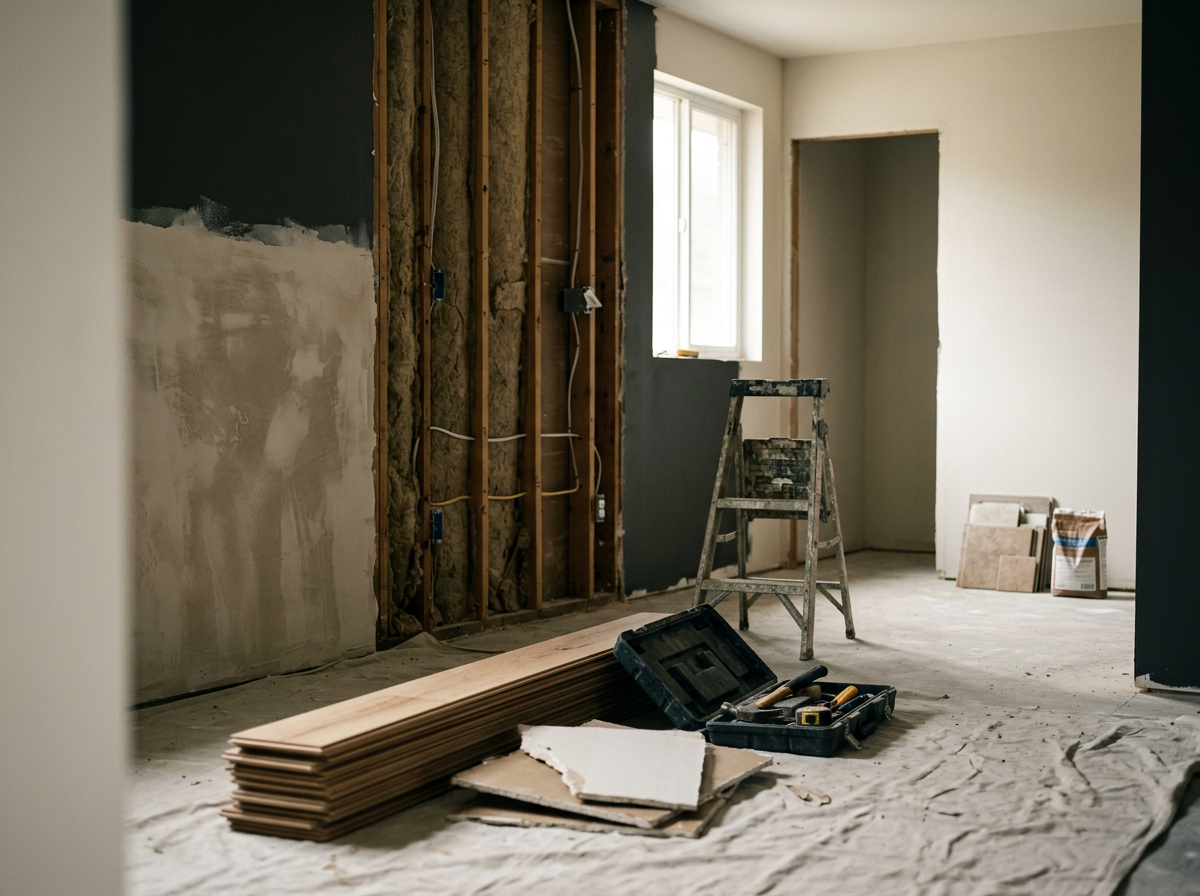
A LARGE BUDGET DOES NOT FIX A BAD PLAN
This may be the part I care about most.
You can install:
beautiful cabinetry
premium appliances
expensive windows
custom millwork
natural stone
high-quality flooring
detailed landscaping
and sophisticated lighting
and still end up with a house that does not function well or feel architecturally coherent.
High-quality materials cannot rescue:
poor circulation
awkward room relationships
a badly placed addition
an incoherent roofline
poor proportions
or a plan that never addressed the real problem
Expensive materials applied to a fundamentally confused plan simply produce a very expensive confused house.
I would rather get the big moves right first.
Then spend generously where the details deserve it.


INVEST IN A: Home Revival Blueprint

Guided Renovation decisions are always helpful

Invest in a: IN-Person Classical Home Consultation
HOW I ANALYZE A RENOVATION BEFORE DESIGN BEGINS
Before recommending a direction, I want to understand the house at several levels.
1. What is actually failing?
Not simply which rooms you dislike.
What specifically is difficult about daily life in the house?
2. Which problems are connected?
A kitchen problem may really be a circulation problem.
A bedroom problem may actually require a larger whole-house strategy.
An addition may solve several existing problems if it is placed correctly.
3. What does the existing house already offer?
I look for usable square footage, underperforming rooms, circulation opportunities, structural logic and architectural strengths worth preserving.
4. What new construction creates the greatest leverage?
If you add square footage, where does it create the most improvement?
The best addition should make more than the new room better.
It should improve the existing house around it.
5. What should the house become architecturally?
A renovation should not only function better.
It should become more coherent.
That means considering proportion, roof hierarchy, windows, massing, entries and the architectural character of the original house before expensive details are selected.
6. What is worth investing in?
Some decisions create enormous functional or architectural value.
Others consume budget without materially improving the house.
The goal is to identify the difference early.

AFFLUENT HOMEOWNERS HAVE A DIFFERENT PROBLEM
If you have the financial capacity to undertake a substantial renovation, the problem is not always affordability.
Sometimes the problem is optionality.
You could do almost anything.
New primary suite.
Expanded kitchen.
Second floor.
New garage.
Exterior redesign.
Basement.
Pool house.
Everything starts sounding possible.
And technically, it may be.
But technically possible is not the same thing as worth doing.
The discipline is deciding which moves belong together and which ones are simply consuming money because they can.
That is where planning becomes valuable.
A SIMPLE EXAMPLE
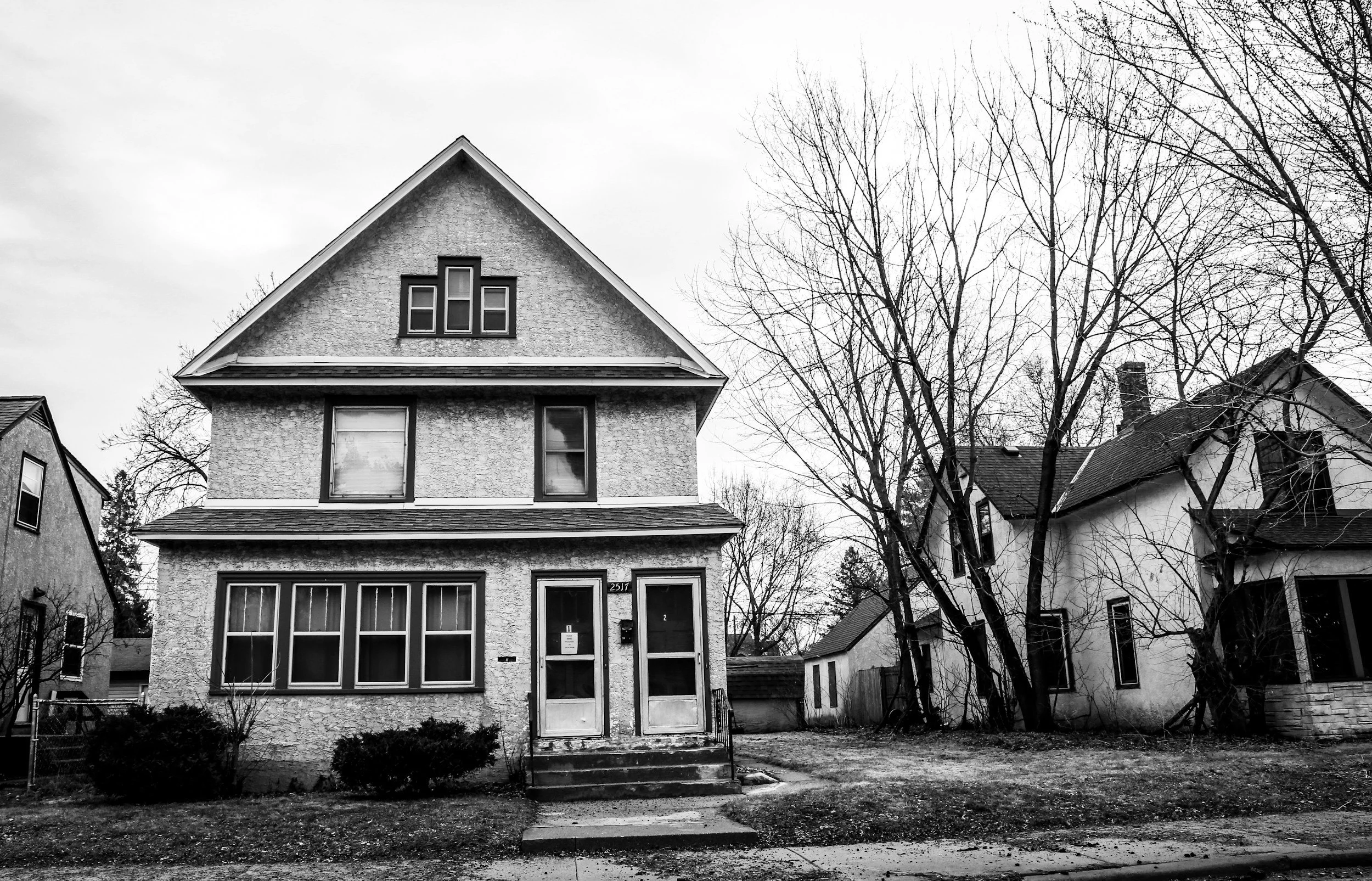
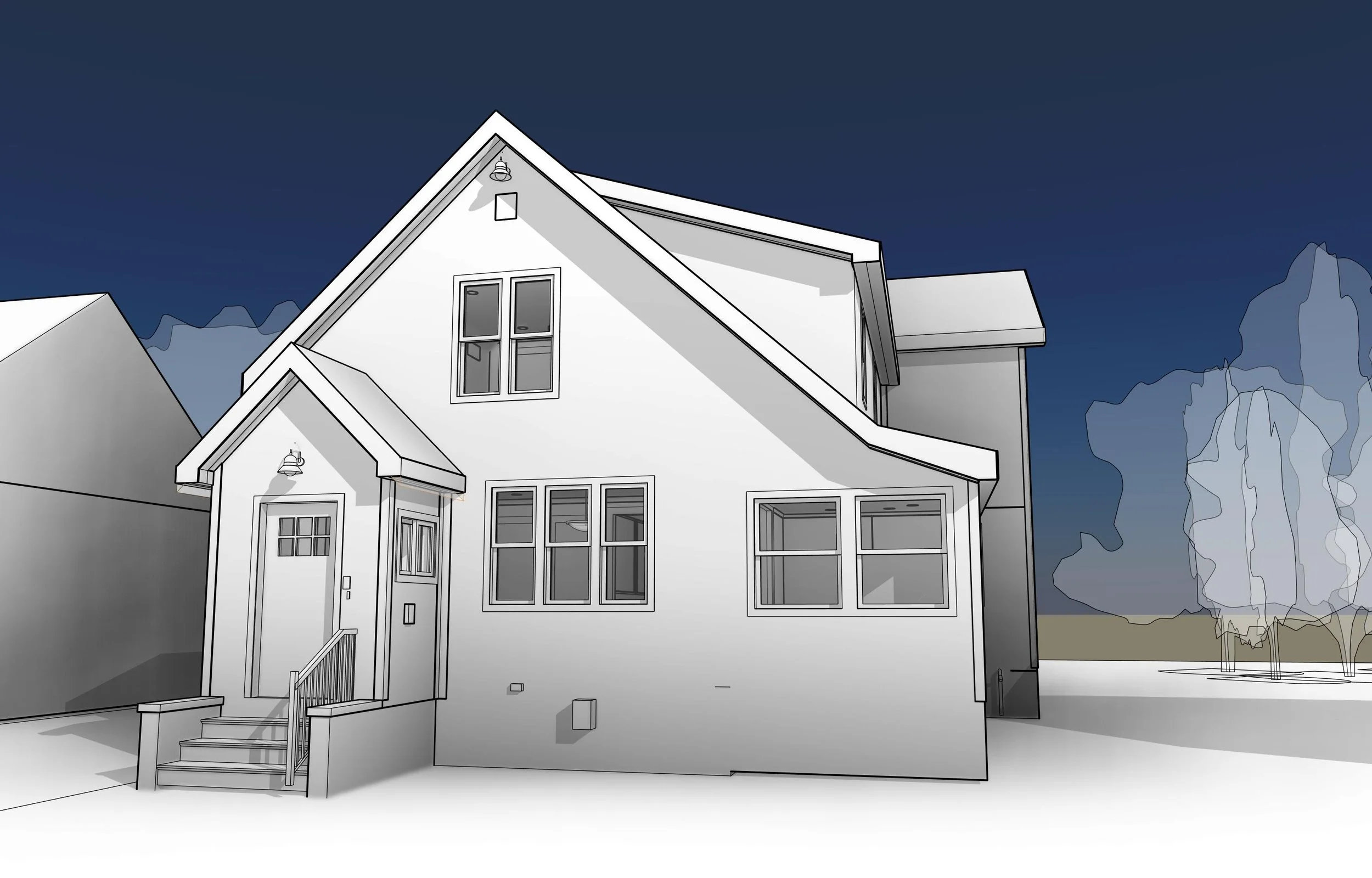
Imagine a homeowner planning a major rear addition.
The initial idea includes:
a large kitchen
family room
mudroom
new primary suite
expanded laundry
several new bathrooms
and substantial exterior changes
The construction cost begins climbing quickly.
The natural reaction is:
“How do we make all of this cheaper?”
But that may be the wrong question.
After studying the house, we may discover:
one existing room can become the office
the primary suite can be created by reorganizing existing space
the addition can become smaller
the mudroom can solve the circulation problem that was making the kitchen feel too small
and several exterior changes can be simplified into one stronger architectural move
The better project may cost less.
Or the homeowner may choose to spend approximately the same amount while achieving a much better result.
Either outcome is better than simply value-engineering an incoherent plan.
WHAT SHOULD HAPPEN NOW, AND WHAT CAN WAIT?
Affluent homeowners often have more options, not fewer.
That can actually make planning harder.
Because almost anything becomes technically possible.
The discipline is deciding what belongs in this renovation.
Perhaps the first phase should solve:
the addition
kitchen
circulation
and primary suite
while another bathroom, finished basement or landscape project waits.
Or perhaps doing everything together is more logical because one construction project would otherwise disturb another.
There is no universal answer.
There is simply a need for a coherent sequence.


I WANT YOU TO KNOW WHAT THE PROJECT IS BEFORE THE PROJECT STARTS CONTROLLING YOU
You don't need every faucet selected.
You don't need every construction detail finished.
But you should understand the basic strategy.
You should know:
what problem you are actually solving
what rooms are changing
what new square footage is necessary
what existing space can do more
what should stay
what should go
what the architectural direction is
what deserves investment
what can wait
and what still needs to be verified
At that point, drawings become more useful.
Contractor pricing becomes more useful.
And your decisions become much easier to defend.
WANT HELP DEVELOPING THE RIGHT PLAN FIRST?
Start With the Home Revival Blueprint™
The Home Revival Blueprint is designed for homeowners who have renovation ideas but want greater clarity before committing to detailed design, contractor proposals or major construction expenditures.
We can begin examining questions such as:
Should you renovate this house at all?
Which problems are actually worth solving?

What should be included in the project?
What can wait?
Where would new square footage create the most value?
Which parts of the existing house should remain?
What architectural direction makes sense?
And what should happen next before you begin spending heavily?
The purpose is not to produce a contractor estimate.
It is to help make sure you are eventually pricing the right project.

NOT READY FOR A CONSULTATION YET?
Start With the Older Home Renovation Planning Pack
If you are still organizing your ideas, the Planning Pack will help you document your existing house, establish priorities and identify the questions that need answers before a large renovation begins.
Use it to think carefully about:
what you want to preserve
what needs to improve
what may be optional
how long you plan to remain in the house
what your likely renovation priorities are
and what information is still missing
THE GOAL IS NOT TO SPEND LESS
It Is to Avoid Spending Badly.
A thoughtful homeowner should not be embarrassed about investing heavily in a house they value.
But a large investment deserves a strong underlying strategy.
The expensive mistakes are rarely the beautiful countertop or the premium window.
They happen when the project itself was wrong.
When the addition was placed badly.
When the plan was never coherent.
When one renovation creates another problem.
When the contractor is pricing something nobody has fully defined.
Or when a homeowner discovers halfway through construction what should have been understood at the beginning.
Decide what is worth building first.
Then decide how much it deserves to cost.
If you are at that stage, that is exactly what the Home Revival Blueprint is designed to help you think through.
